



Hybrid Cars in Cyprus: Problems, Maintenance, and Buying Tips

In the modern world, best hybrid cars are becoming increasingly popular among drivers. The main reasons for this demand are high fuel efficiency and a reduction in negative environmental impact. However, the structural complexity of these vehicles requires a special approach to operation from their owners. Like any technology, hybrids have their unique features and a list of potential problems associated with the presence of electrical components. In this article, we will analyze in detail what typical malfunctions occur in the operation of such machines and what measures will help avoid them.
Features of Hybrid Cars
The main difference of hybrid transport lies in the presence of two energy sources that work in close connection. This imposes certain obligations on technical maintenance.
The main technical characteristics of hybrids include the following points:
- Combination of a gasoline engine and an electric motor. Depending on the driving mode, the system automatically switches between the units or uses them simultaneously to achieve maximum power.
- Energy recovery system. Unlike conventional cars, hybrids are capable of converting braking energy into electricity, recharging the battery while moving.
- Complex electronics and high-capacity batteries. On board are inverters, converters, and powerful energy storage devices operating under high voltage.
Due to the presence of high-voltage circuits, the maintenance of hybrids differs from standard regulations. Specialists require additional qualifications and equipment to diagnose the electrical part of the powertrain.
Problems with the Storage Battery
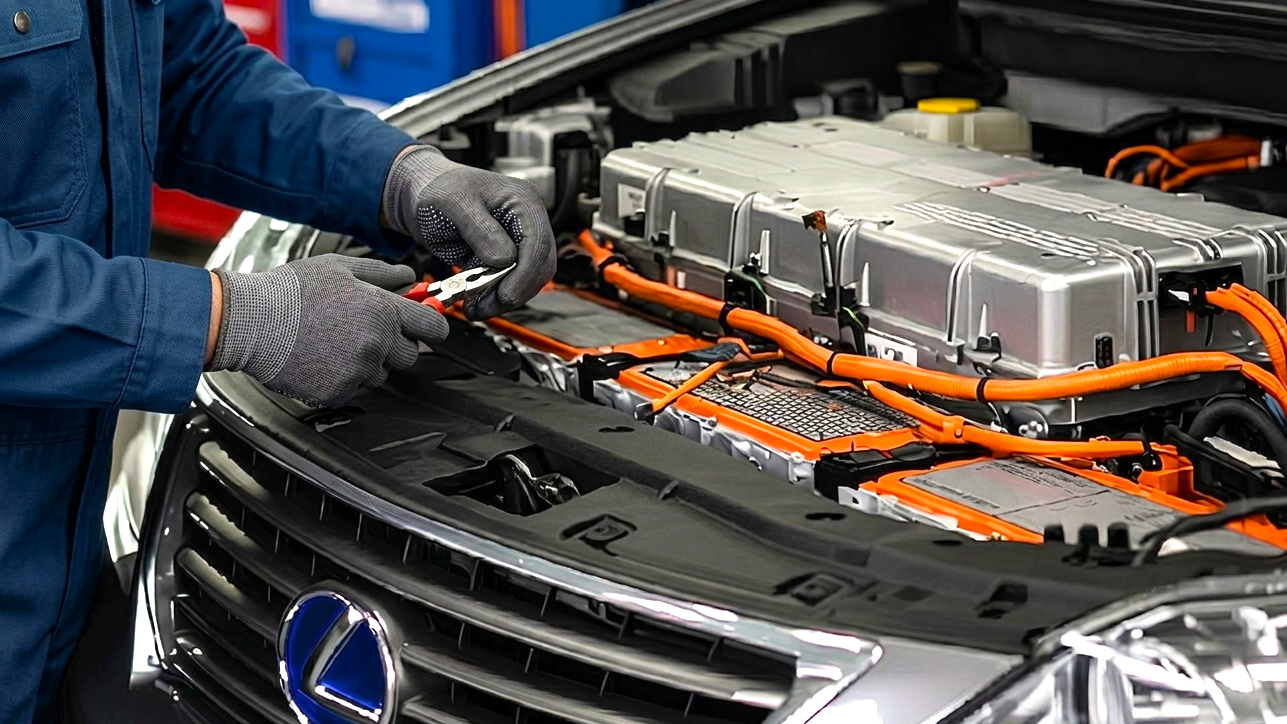
The high-voltage battery (HVB) is the key and most expensive element of the system. Despite the long resource life established by manufacturers, over time, owners may encounter degradation of the storage unit.
There are several main risk factors for the battery:
- Loss of capacity over time. Chemical processes inside the cells inevitably slow down, leading to a reduction in range on electric power.
- Malfunctions of individual cells and overheating. Often, the entire battery does not fail at once, but rather one or several sections, causing a voltage imbalance and overheating.
- Risks during improper charging. The use of non-certified equipment or constant deep discharges to zero values reduces the service life of lithium-ion or nickel-metal hydride elements.
To avoid premature battery failure, it is necessary to strictly follow the manufacturer's recommendations. The main rule is to prevent the car from sitting for a long time with a completely discharged battery and to avoid operating it in extreme temperature conditions unless necessary.
Difficulties with the Energy Recovery System
Regenerative braking is an effective tool, but it complicates the design of the braking system. The electronics must instantly distribute the force between the hydraulic brakes and the magnetic resistance of the motor.
Typical difficulties in this assembly include:
- Unstable operation of brake regeneration. This can manifest as jerks or uneven deceleration when the pedal is pressed.
- Errors when combining electric and gasoline braking. If the software fails, the transition from one type of braking to another occurs with a delay, which reduces safety.
Regular maintenance of the braking system by specialists helps avoid these problems. It is important not only to change the pads and fluid but also to calibrate the sensors and check the relevance of the software.
Electronics and Control Modules
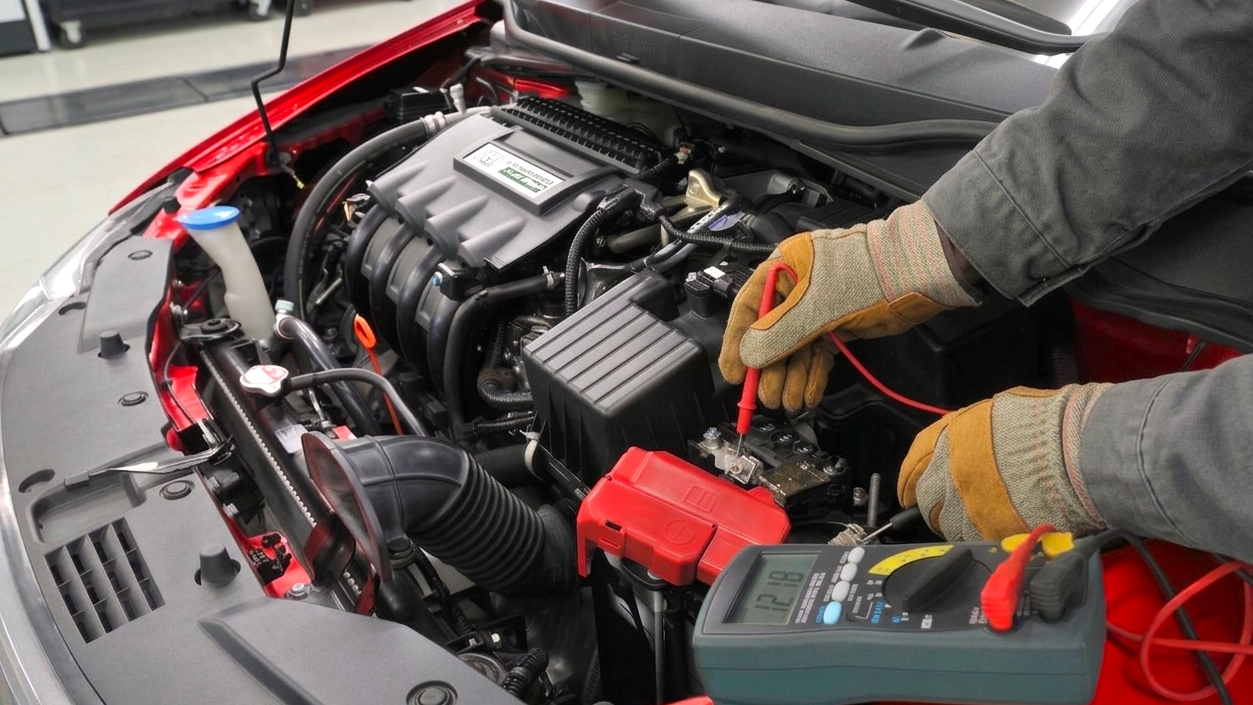
The on-board electronics of a hybrid manage complex processes of torque distribution and charging. Any failure in the sensors can put the car into emergency mode.
The most common software and hardware errors encountered are:
- Failures in the engine control units (ECU) and battery management system (BMS). This can lead to incorrect fuel consumption or incorrect display of the charge level.
- Sensor errors. Temperature, current, and rotor position sensors are subject to wear and the influence of the external environment (moisture, reagents).
Prevention consists of timely computer diagnostics. Updating the firmware of control modules often allows for the correction of errors identified by the manufacturer during the mass operation of the model.
Wear of the Braking System and Transmission
The mechanical part of a hybrid also has its nuances. Thanks to recovery, the pads wear out more slowly, but the transmission is subjected to high loads due to the instant pickup of torque by the electric motor.
Critical factors include:
- Features of the hybrid drive operation. Planetary gears or CVTs operate under conditions of constant load changes.
- Accelerated wear during aggressive driving. Sudden starts and braking create excessive pressure in the transmission and mechanical assemblies.
For a long service life of the units, it is recommended to practice a calm driving style and mandatory checking of the transmission oil condition at every scheduled technical maintenance.
Cooling Problems
Electrical components, such as inverters and batteries, generate a large amount of heat. To protect them, separate liquid or air cooling systems are provided.
In this area, the following problems are possible:
- Inverter overheating. Failure of the inverter cooling pump leads to its immediate burnout.
- Insufficient battery cooling. In hot weather or if the ventilation ducts in the cabin are clogged, the battery overheats, which limits its power.
Owners need to regularly check the antifreeze level in the hybrid system's cooling circuit and monitor the cleanliness of the battery cooling filters, if provided by the design.
Maintenance and Repair Costs
It is necessary to understand that operating a hybrid requires certain financial expenses, which may be higher than those for budget gasoline models due to the technological sophistication of the units. Below is a table comparing the maintenance costs of key elements:
Component | Repair Complexity | Need for Specialized Service | Impact on Total Cost |
High-Voltage Battery | High | Mandatory | Critical |
Inverter/Converter | Medium | Desirable | High |
Electric Motor | Low | Desirable | Medium |
Braking System | Low | Not Always | Low |
To minimize costs, one should choose a reliable dealer with qualified personnel and not miss scheduled maintenance intervals, as a minor malfunction in a hybrid quickly escalates into a major breakdown.
Tips for Extending the Hybrid's Service Life
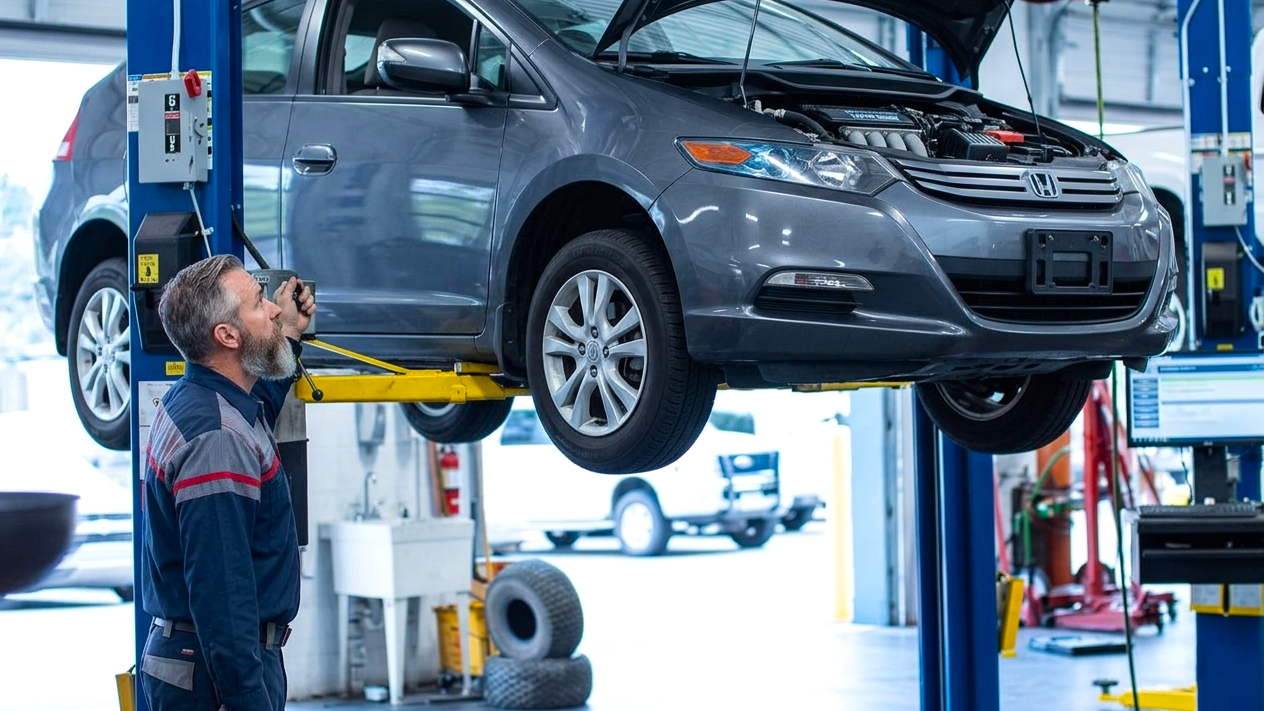
The longevity of a hybrid car is largely determined not only by the build quality but also by the owner's daily habits. Careful operation, timely maintenance, and attention to detail help significantly reduce the load on key nodes and delay the moment of expensive major repairs.
Main recommendations include the following actions:
- Careful battery operation. Try to maintain the charge level in the range of 20% to 80%, avoiding regular deep discharges or keeping the battery at maximum for a long time. These modes are considered the most gentle for the traction battery and allow for the preservation of its working capacity for a longer period. It is also advisable to avoid long-term parking of the car under the scorching sun or in severe frost.
- Use of high-quality consumables. Use only the fuel and low-viscosity synthetic oil recommended by the manufacturer, specifically developed for hybrid internal combustion engines. Saving on consumables often results in accelerated engine wear, deterioration of its performance, and additional load on the hybrid system as a whole.
- Regular software updates. Software updates often improve the load distribution algorithms between the electric motor and the gasoline engine, as well as optimize the battery charging logic. This positively affects not only efficiency but also the overall resource of the high-voltage system.
- Compliance with maintenance intervals. Scheduled maintenance for a hybrid is especially important because it allows for the timely identification of hidden malfunctions, checking the condition of the cooling system, brakes, and the tightness of high-voltage connectors. Neglecting these checks can lead to more serious breakdowns that are much easier and cheaper to fix at an early stage.
And do not forget about a calm driving style. Sudden starts, frequent intensive accelerations, and aggressive braking accelerate the wear of both the engine and the elements of the hybrid installation. Smooth driving, conversely, reduces the load on the powertrain and helps preserve the resource of the main components longer.
How to Choose a Hybrid When Buying
Buying a used hybrid car requires a deeper check than in the case of a classic car. Errors at this stage can lead to significant expenses immediately after the deal.
When inspecting, the following steps should be performed:
- Check the maintenance history. Ensure that the mileage corresponds to the data recorded in the service book (dishonest car owners may roll it back).
- Deep battery diagnostics. Use specialized scanners to assess residual capacity and voltage spread across the cells.
- Assessment of the inverter and transmission condition. Check for the absence of extraneous noises when switching between engine operating modes.
Choosing a model with a good reputation and a valid warranty on electrical components is the safest solution.
Common Owner Errors and How to Avoid Them

Many problems arise due to the lack of awareness among drivers regarding the specifics of hybrid systems. Eliminating these errors significantly increases the vehicle's reliability.
The list of typical errors looks like this:
- Ignoring warnings on the instrument panel. The "Ready," "Check Hybrid System" indicators, or the overheat icon require an immediate stop and contact with a service center.
- Using unsuitable charging devices. This applies to plug-in hybrids (PHEV), where poor-quality cables can cause the connector to melt.
- Aggressive driving and overloading. Constant operation at the limit of capabilities overheats both the electrical and gasoline parts of the system.
Timely maintenance and an attentive attitude to the car's signals allow for the operation of a hybrid for many years without serious incidents.
Conclusion
In summary, it can be said that modern technological transport demonstrates high reliability and efficiency provided it is handled correctly. Hybrids require more qualified service and attention to the state of electronics than conventional cars, but this pays off in comfort and fuel savings. If you are considering purchasing such a car in a region with a hot climate, it is worth studying the hybrid cars in Cyprus to choose a model with the most efficient cooling system and a developed network of service centers. Knowledge of design features and compliance with operational rules will help you minimize maintenance costs and extend the life of your vehicle.

