



Japanese Car Brands Buying Guide 2026: Top Models and Innovations

Japanese manufacturers have maintained leadership in the global automotive industry for decades, thanks to a reputation for exceptional reliability, fuel efficiency, and constant innovation. Amid the global transition to eco-friendly transport in 2026, Japanese car brands continue to set quality standards by integrating advanced hybrid and electric powertrains. Consumers value these vehicles for their operational predictability and high residual value.
When choosing a vehicle, it is important to understand which models are most relevant and which technological aspects should be considered before making a purchase.
Why Choose Japanese Cars
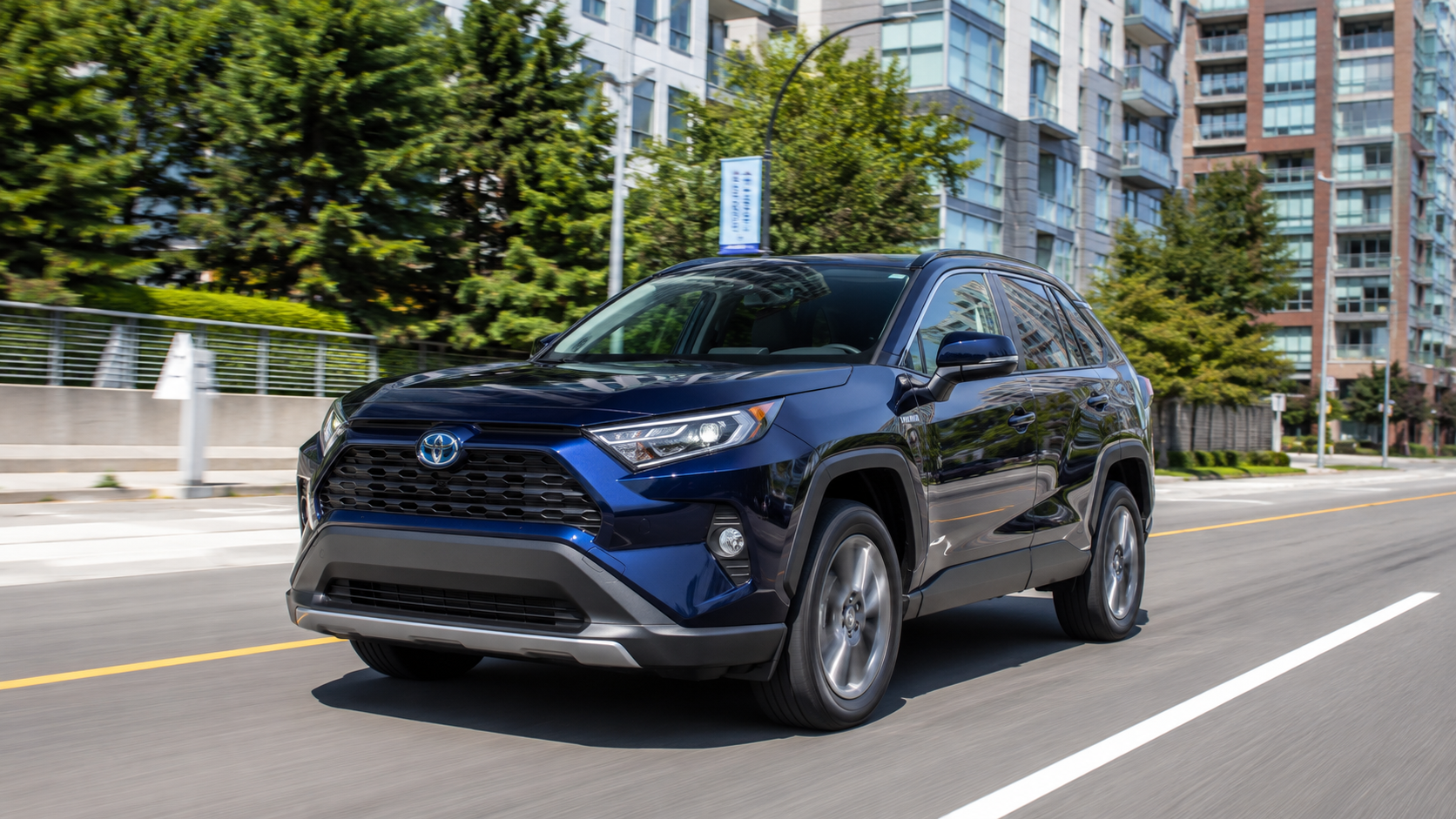
The popularity of the Japanese auto industry is based on strict quality control at all stages of production. This provides vehicles with a number of competitive advantages that have remained consistent for many years.
The main reasons for stable demand include the following characteristics:
- Reliability and durability. Engines and transmissions of Japanese design possess a significant lifespan, often exceeding 300,000 kilometers without a major overhaul.
- Efficiency. Engineers focus on reducing fuel consumption through body weight optimization and the improvement of injection systems.
- Low operating costs. The cost of regular maintenance and the availability of spare parts make owning such machines profitable in the long term.
- Safety. Innovative blind-spot monitoring and automatic braking systems are often included as standard equipment even in budget models.
- Variety of offerings. Companies produce a wide range of transport: from ultra-compact city cars to body-on-frame SUVs and premium-class vehicles.
The combination of these factors allows Japanese companies to maintain a significant share of the global market, even in conditions of increasing competition.
Main Japanese Car Brands

Japanese automakers approach model development differently and emphasize different advantages. For this reason, in 2026, it is logical to consider the key brands by their primary directions:
- Toyota. A leader in the mass production of hybrid vehicles. The brand focuses on creating the most practical and liquid vehicles for daily use.
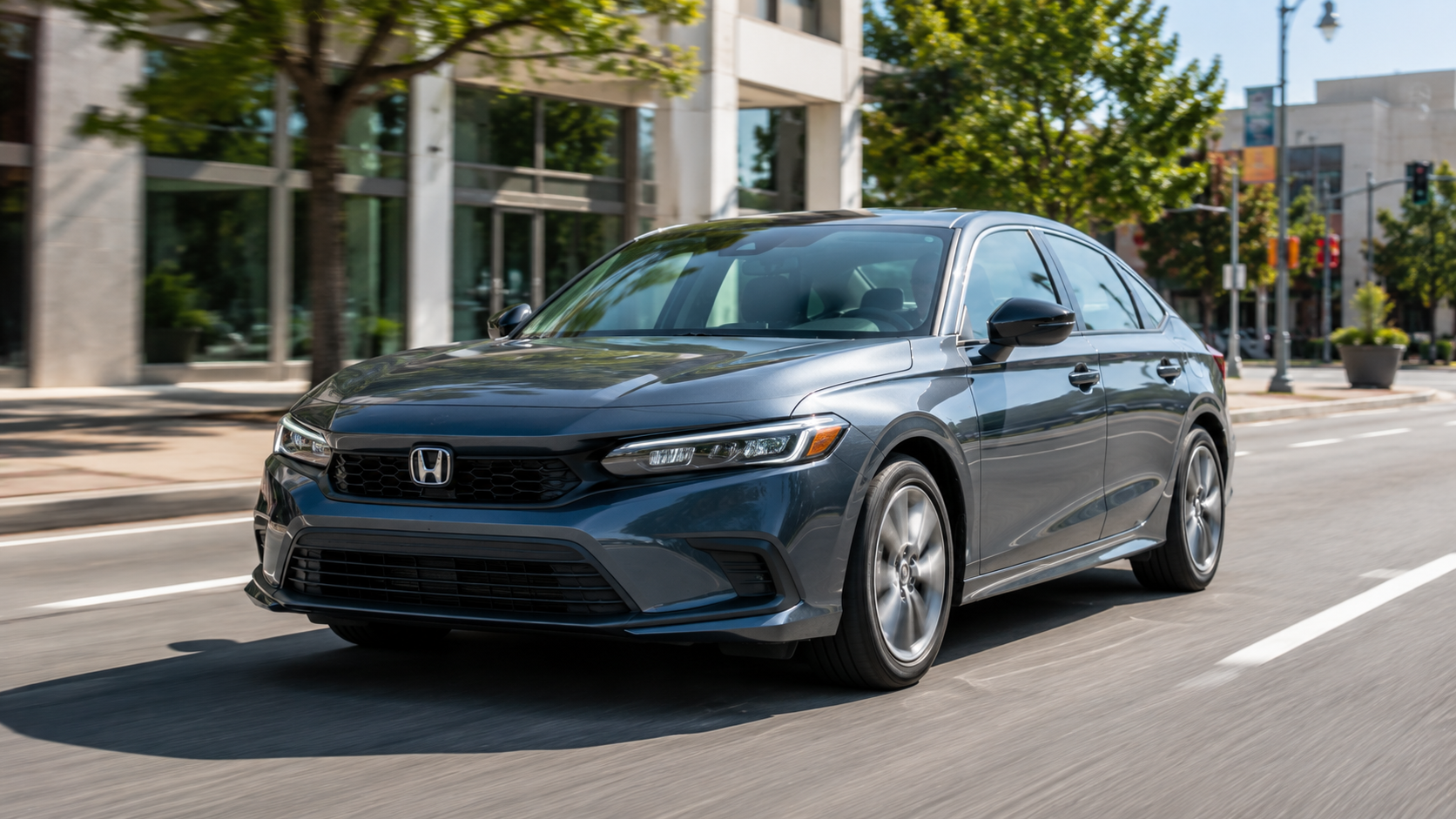
- Honda. The brand is known for its approach to designing high-efficiency engines and excellent handling. Honda offers innovative solutions in the organization of interior cabin space.
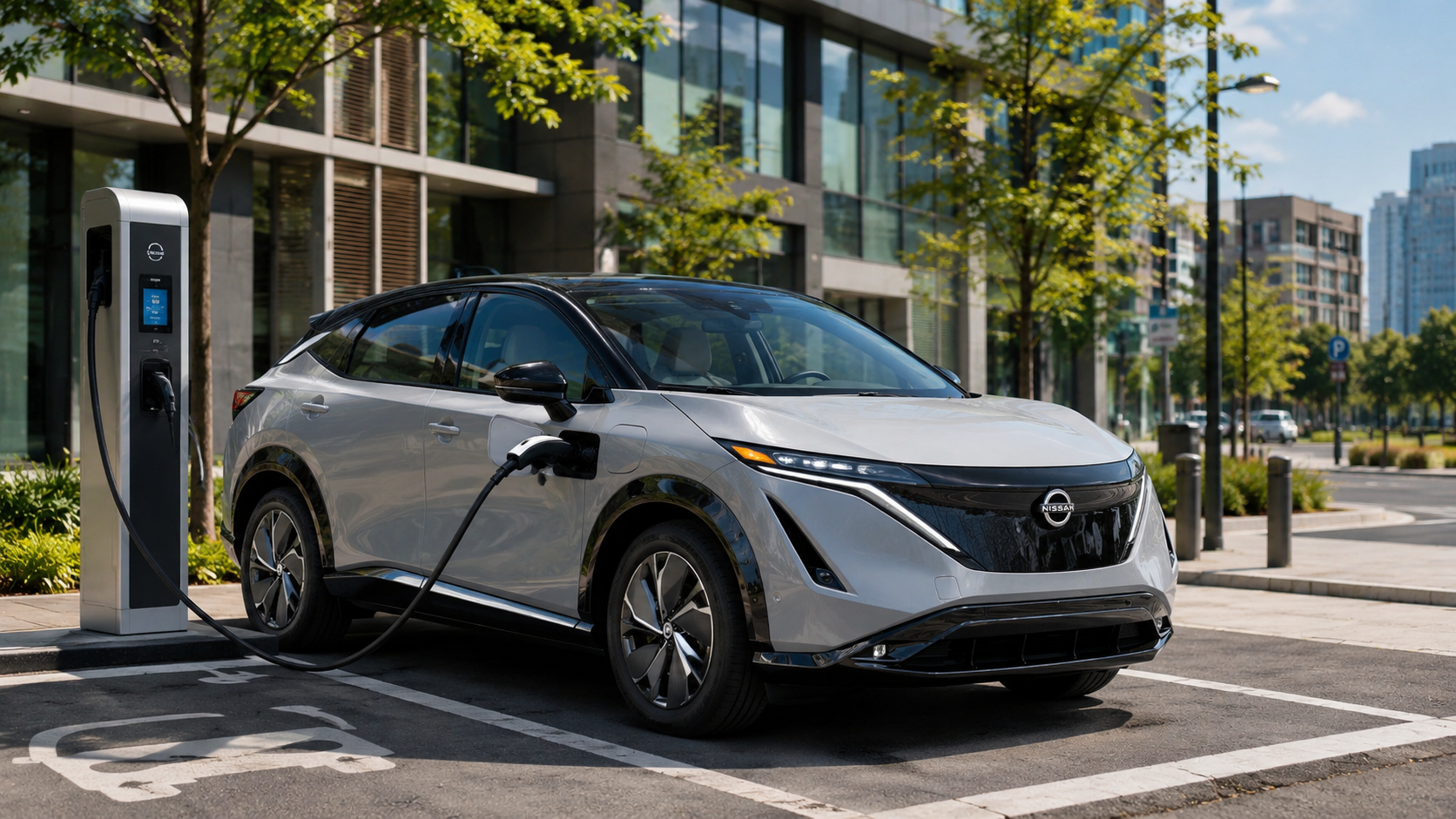
- Nissan. The company bets on electrification and intelligent driver assistance systems. The brand's crossover lineup remains among the best-selling in the world.
- Mazda. Stands out among competitors with a unique approach to design and the preservation of SkyActiv internal combustion technologies, which show high efficiency without losing dynamics.
- Lexus. The premium division of Toyota, offering a high level of comfort, cabin quietness, and the use of the highest quality interior materials.
This distribution of roles allows the buyer to choose a brand that best matches their driving style and life priorities.
Top 2026 Models
There are several models on the market that demonstrate the best performance and technology indicators in their segments.
When studying catalogs, you should pay attention to the following vehicles:
- Toyota Corolla and RAV4. These models remain benchmarks in the compact sedan and crossover classes. The 2026 hybrid versions provide minimum emissions while maintaining high power.
- Honda Civic and CR-V. These vehicles offer a balanced combination of cost, modern multimedia systems, and passive safety systems.
- Nissan Ariya and Leaf. Electric vehicles that in 2026 received updated batteries with increased range, making them suitable for long trips.
- Mazda CX-5 and Mazda 3. These models are valued for their ergonomics and aesthetic appeal. New versions are equipped with improved sound insulation systems.
- Lexus RX and NX. Luxury segment crossovers that this year are equipped with advanced driving assistants of the second and third levels of autonomy.
These models lead in owner satisfaction ratings and regularly receive top marks in crash tests by international safety institutes.
Technological Innovations
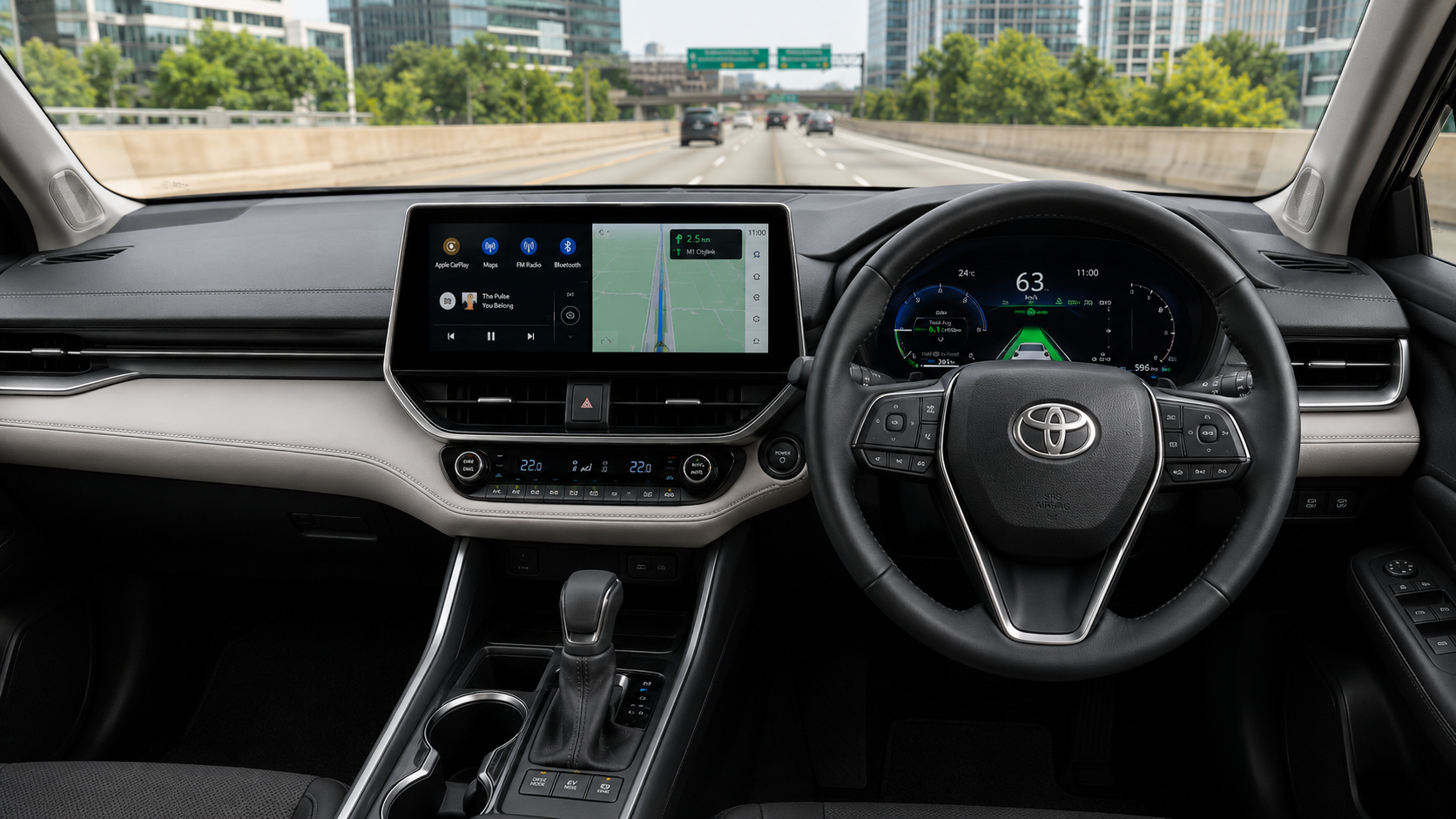
In 2026, the technological progress of Japanese brands is focused on automation and the transition to alternative energy sources. Engineers are implementing solutions that make driving easier and safer.
The most significant innovations of the current period include:
- New generation hybrid systems. Systems have become lighter and more compact, allowing for increased trunk volume and reduced overall vehicle weight.
- Adaptive assistants (ADAS). Modern Japanese cars are equipped with complexes of cameras and radars capable of recognizing pedestrians and cyclists in the dark.
- Digital control panels. Multimedia systems support wireless integration with all types of smartphones and receive software updates "over the air" (OTA).
- Collision prevention systems. Automatic emergency braking and active lane-keeping functions have become more accurate through the use of machine learning algorithms.
These technologies are aimed at minimizing the human factor when operating a vehicle, which significantly reduces the risk of road accidents.
Design and Comfort
Modern Japanese automotive design in 2026 is characterized by minimalism and functionality. The interior space is designed to ensure maximum visibility and easy access to all controls.
Operational comfort is ensured by the following solutions:
- Ergonomic seats. The use of memory foam fillers reduces driver fatigue during multi-hour trips.
- Quality sound insulation. The use of multi-layer glass and new sound-absorbing materials in the wheel arches makes the cabin quiet even at high speeds.
- Smart climate control. Systems independently determine the presence of passengers in the cabin and optimize airflows to save energy.
Manufacturers offer a wide variety of body solutions — from maneuverable hatchbacks for tight city streets to full-size SUVs capable of overcoming difficult obstacles.
Reliability and Maintenance
The average trouble-free service life of a Japanese car is 10–15 years, provided the maintenance schedule is followed. In 2026, the service network of these brands is one of the most extensive in the world, guaranteeing the owner access to quality repairs in any country.
To extend the service life, experts recommend:
- Regular Maintenance. Change oil and filters every 10,000 kilometers (or more often when operating in harsh conditions).
- Electronics Diagnostics. Given the complexity of modern systems, sensor checks should be performed at least once a year.
- Use of original consumables. This is critically important for hybrid systems and modern turbocharged engines.
Insurance company statistics confirm that the frequency of serious breakdowns and warranty cases for Japanese brands remains one of the lowest in the industry.
Electric Vehicles and Hybrids of Japanese Brands
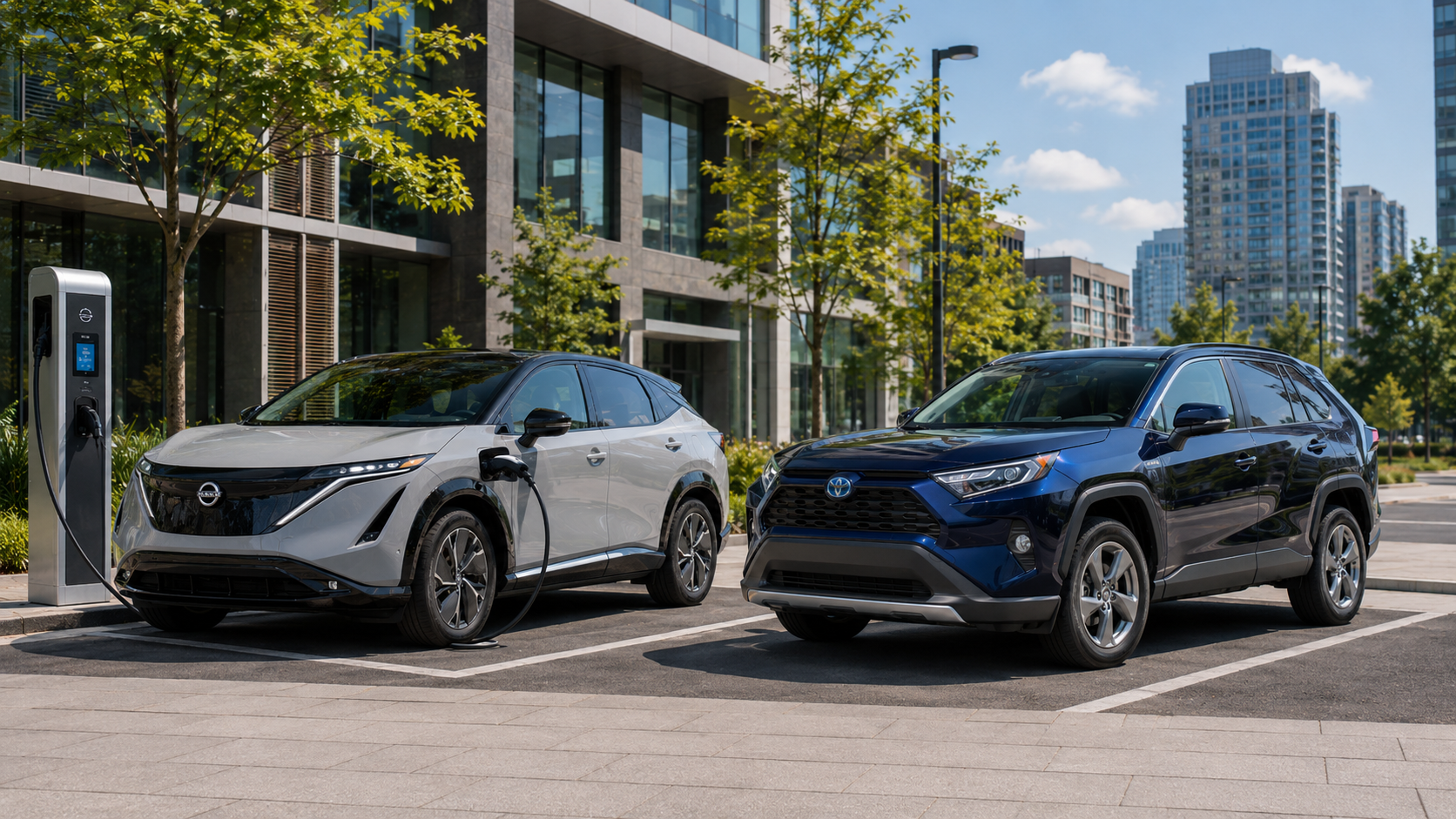
Japan is a world leader in the development of eco-friendly transport. In 2026, the choice between a hybrid and an electric vehicle depends primarily on the availability of charging infrastructure in the owner's region of residence.
Model | Type of System | Advantages |
Toyota Prius | Hybrid (HEV/PHEV) | Record fuel economy, long range |
Nissan Ariya | Electric (BEV) | Zero exhaust emissions, high acceleration dynamics |
Honda CR-V Hybrid | Hybrid (HEV) | Crossover versatility with low gasoline consumption |
Lexus RZ | Electric (BEV) | Premium comfort without using fuel |
Battery technologies this year allow for fast charging of electric cars to 80% in 20–30 minutes, making their operation comparable in convenience to traditional cars.
Cost and Value for Money
When analyzing financial costs, it is important to consider not only the purchase price but also the total cost of ownership over several years. Japanese cars traditionally show the best results in this comparison.
Factors affecting economic benefit:
- Price range. Models are presented in all price categories, allowing for a vehicle choice for any budget.
- Liquidity. Japanese cars lose value more slowly than European or American counterparts. This allows for a profitable sale after 3–5 years.
- Equipment. A wide selection of additional options allows the buyer to pay only for the functions they truly need.
Comparison shows that despite a higher initial price for some Japanese models, the total cost per kilometer ends up lower due to infrequent repairs and high fuel efficiency.
What to Look for When Choosing

To make a purchase as effective as possible in 2026, a potential owner needs to conduct a preliminary analysis of their needs and available offers.
The main selection criteria include the following points:
- Vehicle type. City hatchbacks are optimal for metropolises, family crossovers for trips with children, and premium sedans for providing maximum status and comfort.
- Technology level. The presence of modern safety assistants and high-quality multimedia significantly increases the comfort and safety of trips.
- Operating budget. Pre-estimate the cost of insurance, taxes, and the expected consumption of fuel or electricity.
- History check. If you are considering the used car market, Japanese cars for sale require a thorough check of legal purity and service history through specialized databases.
A careful approach to selection helps avoid hidden defects and guarantees obtaining a reliable vehicle that will serve for many years.
Perspectives for Japanese Cars in 2026
The future of the Japanese auto industry is inextricably linked with the development of green technologies and autonomous driving. Companies are investing billions of dollars in the development of solid-state batteries, which promise a revolution in range and charging speed for electric vehicles.
In the coming years, the following trends are expected:
- Full electrification. More classic models will be converted to electric traction or receive plug-in hybrid versions.
- Autonomous driving. Japanese brands strive to implement systems that allow the vehicle to move independently on highways under minimal driver control.
- Eco-friendly materials. More recycled plastic and plant fibers will be used in interior finishes to reduce the carbon footprint.
Despite growing competition from Chinese electronics manufacturers, Japanese engineers maintain leadership due to accumulated experience in producing complex mechanical components and reliable electronics.
Conclusion
To sum up, it can be argued that Japanese cars in 2026 continue to be the benchmark for a rational choice for millions of drivers worldwide. The combination of time-tested reliability, innovative safety systems, and comfort makes their operation simple and safe. When choosing a specific model, it is critically important to consider personal preferences for trip types, the available budget, and the desired level of technological equipment. A thorough market analysis will help make a purchase that provides maximum benefit and confidence on the road. A correctly chosen vehicle from a leading Japanese brand will become a reliable partner for many years, maintaining its relevance and high value in the future.

