



The Revolution in the World of Motorhomes
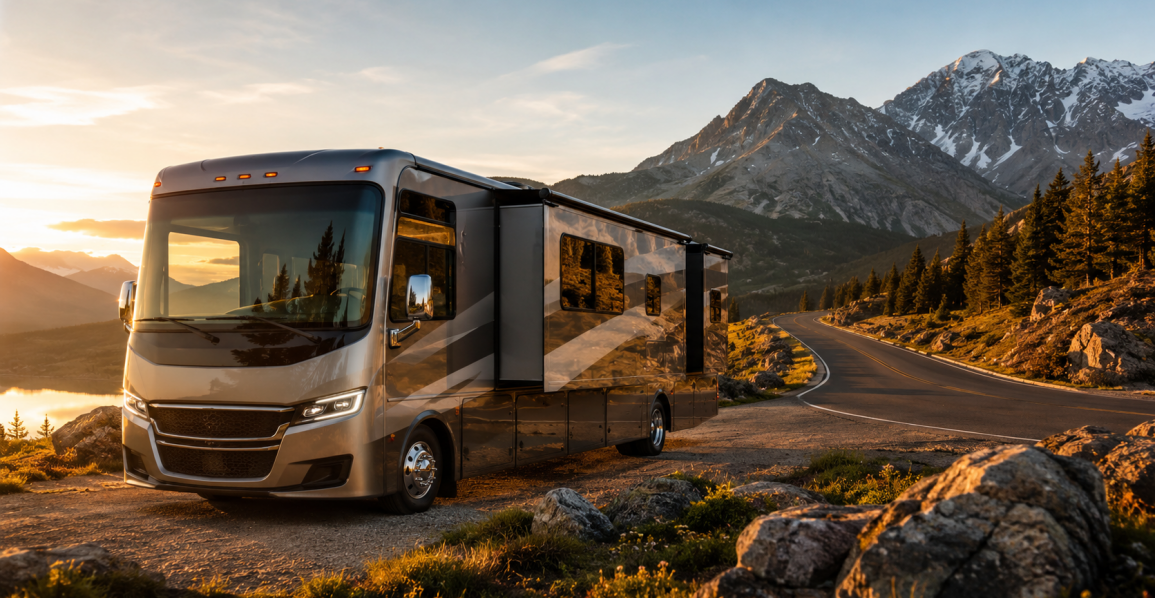
In 2025, the motorhome market is undergoing a true revolution. More and more people are choosing freedom of movement and the comfort of their own home on wheels instead of traditional hotels. Motorhomes have become a symbol of independence, convenient travel, and even a complete lifestyle.
Why Motorhomes Have Become More Popular Than Hotels
Motorhomes are no longer an exotic novelty and have become a real alternative to traditional travel with hotel stays. The main reason is freedom. A motorhome owner gets a private mobile space with a bed, kitchen, and bathroom. There is no need to book a room, adjust to check-in schedules, or overpay for services. In addition, this format lets people travel at their own pace and discover new places without restrictions.
RV Market Growth After the Pandemic: Statistics and Trends
The COVID-19 pandemic triggered rapid growth in the RV market. From 2020 to 2024, motorhome sales in the United States and Europe posted double-digit growth. According to industry associations, the number of new buyers increased because of young families and remote workers. Demand remains high in 2025: the motorhome has become not only a means of transportation, but a complete way of life.
From Weekend Trips to Full-Time Living
Motorhomes were once used mainly for short weekend trips, but today many people are choosing full-time living. Modern models are equipped with solar panels, independent heating systems, and internet equipment, making life on the road comfortable and sustainable. More and more families and digital nomads are adopting this lifestyle for months or even years.
Who Buys the Best Motorhomes: A Demographic Analysis
The motorhome audience has become significantly broader in 2025. Retirees still make up an important part of the market and spend time traveling after retirement. Younger buyers - Millennials and Generation Z - are increasingly choosing compact, eco-friendly models that let them combine work and travel. Families with children prefer spacious options with additional sleeping areas, while outdoor enthusiasts choose off-road models with room for equipment.
Motorhome Classification: Find Your Ideal RV

Class A - Luxury Homes on Wheels
These are the largest and most comfortable motorhomes, built on bus or truck chassis. They offer spacious interiors, full kitchens and bathrooms, and may also include laundry facilities and entertainment systems. Their disadvantages are a high price and limited maneuverability.
Class B - Compact Van-Based Solutions
Camper vans, or Class B motorhomes, are a versatile choice for couples and solo travelers. They are economical, easy to drive, and convenient to park in cities. Despite their compact size, modern models are equipped with beds, mini-kitchens, and toilets.
Class C - The Sweet Spot for Families
Class C motorhomes are distinguished by the characteristic sleeping area above the driver's cab. They offer more space than camper vans while remaining easy to drive. They are a popular choice for families because the interior provides enough room for relaxation and storage.
Travel Trailers - Towable Options
Travel trailers offer a flexible format. They can be unhitched so that the tow vehicle can be used separately for trips. Options range from small trailers for two people to spacious models with full amenities. Their main advantages are affordability and a wide variety of sizes.
Fifth Wheels - Premium Trailers
Fifth-wheel trailers attach to a special hitch in the bed of a pickup truck. They are known for stability on the road and spacious layouts, often with several bedrooms and living areas. They are a suitable choice for people planning to live on the road for extended periods.
Toy Haulers - For Outdoor Recreation
Toy haulers are motorhomes and trailers with a built-in garage compartment. They can carry ATVs, motorcycles, or bicycles. This type of RV is ideal for outdoor enthusiasts because it combines comfortable living space with storage for equipment.
Top 15 Best Motorhomes by Category
Best Rated Class C RV (Positions 1-5)
1. Winnebago View/Navion - Compactness and Quality
This model combines compact dimensions with high build quality. Its Mercedes-Benz diesel engine makes it economical and convenient for long journeys. Well-designed floorplans provide comfortable living even in limited space.
2. Thor Motor Coach Chateau - Best Value for Money
The Chateau is popular because of its wide range of floorplans and affordable price. It suits both beginners and experienced travelers, offering reliability and modern equipment.
3. Forest River Sunseeker - A Family Favorite
The Sunseeker is a spacious Class C motorhome with everything needed for a family vacation: comfortable sleeping areas, a roomy kitchen, and an entertainment system.
4. Jayco Redhawk - Reliability and Comfort
The Redhawk features robust construction, easy maintenance, and quality finishes. It provides comfort on the road and is well suited to long trips.
5. Coachmen Freelander - The Budget Leader
The Freelander remains one of the most affordable Class C motorhomes on the market. Despite its low price, it includes all the essentials for comfortable travel and suits buyers looking for a budget-friendly option.
RV for a Family of 4 (Positions 6-10)
6. Winnebago Minnie Winnie - An Ideal Family Layout
The Minnie Winnie offers successful floorplans with convenient areas for sleeping and relaxation. It is a versatile option for both short and long family trips.
7. Thor Motor Coach Four Winds - Spacious and Functional
The Four Winds stands out for its spacious interiors and variety of configurations. It is a practical solution for a family of four, combining comfort and functionality.
8. Jayco Greyhawk - A Premium Family Choice
The Greyhawk offers high-quality finishes, improved sound insulation, and modern technology. It is ideal for families looking for a more premium travel experience.
9. Forest River Forester - A Large Family Home
The Forester stands out for its roomy interior and modern design. It is an excellent choice for long trips and provides comfort for the entire family.
10. Coachmen Leprechaun - An Affordable Family Option
The Leprechaun offers a reasonable price with a good level of equipment. This motorhome is especially popular with families who are just beginning to explore RV travel.
Luxury and Full-Time Living (Positions 11-15)
11. Newmar Dutch Star - Class A Luxury
The Dutch Star is a symbol of comfort and premium quality. Spacious floorplans, advanced technology, and refined finishes make it one of the best options for life on the road.
12. Tiffin Allegro Bus - Handcrafted Quality
The Allegro Bus is renowned for its high level of handcrafted finishing and attention to detail. This Class A motorhome provides comfort comparable to a luxury home.
13. Monaco Dynasty - The Ultimate Luxury Experience
The Dynasty by Monaco offers an exceptional level of luxury. It combines modern control systems, a stylish interior, and spacious living areas.
14. Country Coach Prevost - Custom-Built Perfection
This model is built to individual specifications and is considered one of the most prestigious on the market. The Country Coach Prevost delivers exclusivity and an exceptional level of comfort.
15. Foretravel U295 - American Luxury
The Foretravel U295 is a classic example of a premium Class A motorhome. Reliability, space, and extensive equipment make it an excellent choice for full-time living and travel.
Detailed Analysis of the Best RV Brands
Winnebago - History, Innovation, and Model Range
Winnebago is one of the best-known brands in the RV world. The company began in 1958 and quickly became a symbol of American motorhomes. Today, Winnebago offers a broad model range, from compact Sprinter-based camper vans to luxurious Class A motorhomes. The brand pays particular attention to innovation, including energy-efficient systems, intelligent floorplans, and modern technology that improves convenience for travelers.
Thor Industries - The Largest Manufacturer
Thor Industries is a global leader in motorhome and trailer manufacturing. Its portfolio includes dozens of brands, including Airstream, Jayco, and Keystone. This diversification allows the company to offer solutions for every preference and budget, from affordable models to premium homes on wheels.
Forest River - Variety and Affordability
Forest River is one of the largest manufacturers and offers a broad selection of Class A and Class C motorhomes, camper vans, and trailers. The brand's main advantage is affordability. Its range includes both budget models for first-time travelers and more comfortable options for family trips.
Jayco - Family Traditions and Quality
Jayco is known for its focus on family travel. The company emphasizes safety, convenient floorplans, and durable materials. Many models include additional sleeping areas, making them practical for families with children.
Newmar - Premium Build Quality
Newmar occupies a special place in the Class A segment. These motorhomes are known for high build quality, premium materials, and carefully engineered solutions. Newmar is aimed at buyers seeking maximum comfort for long-term living.
Tiffin - Handcrafted Excellence
Tiffin Motorhomes is distinguished by handcrafted finishes and attention to detail. Every model is built with durability and comfort in mind. Tiffin is popular among travelers who value an individual approach and an excellent level of comfort.
Airstream - Iconic Design and Durability
Airstream is a legendary brand with more than 90 years of history. Its iconic aluminum trailers are recognized around the world. In addition to their distinctive design, Airstream trailers are known for durability and high build quality. They remain popular with people who value both style and practicality.
Best Camper for a Family of 4: A Practical Guide

Layout and Sleeping Arrangements
For a family of four, comfortable sleeping arrangements are essential. The most popular solutions are bunk beds, a convertible dinette, and sofa beds.
Kitchen Equipment
Modern family motorhomes usually include a refrigerator, gas stove, microwave, and enough cabinets for food storage. This makes it possible to cook on the road without significant limitations.
Bathroom
A shower and toilet make every trip more comfortable. Privacy is important: for a family, it is better to choose a model with a separate bathroom door rather than a curtain.
Entertainment
Many models are equipped with televisions, audio systems, and even gaming areas. Outdoor conveniences, such as fold-out tables and exterior kitchens, are also important for active families.
Safety
For families with children, seat belts, car-seat compatibility, and emergency exits are especially important. These are essential criteria when choosing a suitable model.
Technical Specifications: What to Look For
Chassis and Engines
Class C motorhomes are most often built on Ford E-450, Chevy 4500, or Mercedes Sprinter chassis. Each option has its advantages: Ford and Chevy are dependable and powerful, while Mercedes is more fuel-efficient and modern.
GVWR and Payload Capacity
GVWR, or Gross Vehicle Weight Rating, determines the maximum permitted weight of the motorhome together with passengers and cargo. Understanding this figure is important so that the vehicle is not overloaded.
Fuel Efficiency - Real-World Fuel Consumption
Class C motorhomes average between 15 and 25 liters per 100 kilometers, depending on the engine and vehicle weight. Diesel models are generally more economical.
Towing Capacity - The Ability to Tow a Car
Many Class C motorhomes can tow an additional car or trailer. This specification is especially important for families that want to bring a passenger car for shorter trips.
Electrical Systems - Inverters, Batteries, and Solar Compatibility
Modern RVs are often equipped with inverters, high-capacity batteries, and solar-panel compatibility. These features provide greater autonomy and reduce dependence on campground hookups.
Plumbing Systems - Fresh, Gray, and Black Water Tanks
Three types of tanks support the plumbing system: fresh water, gray water from sinks and showers, and black water containing toilet waste. The larger the tanks, the longer the RV can remain self-sufficient on the road.
Floorplans and Layouts: Choosing the Best Configuration
Rear Bedroom - The Privacy of a Master Suite
A floorplan with a separate bedroom at the rear of the motorhome provides maximum privacy. The master suite often includes a large bed, storage cabinets, and sometimes a separate bathroom. This configuration suits couples and anyone who values personal space.
Corner Bed - Saving Space
A bed positioned in a corner saves space and leaves more room for the kitchen or living area. The drawback is that it can be accessed from only one side, which may be inconvenient for two people.
Bunkhouse - For Large Families
Models with bunk beds are especially popular with families that have children. This layout increases sleeping capacity without sacrificing the main living area.
Dinette Slide-Out - Expanding the Living Space
A slide-out system expands the interior by moving a section of the wall outward. A dinette slide-out creates additional space in the dining area and makes the interior more comfortable.
Island Kitchen - Maximum Functionality
Island kitchens are found in large Class A motorhomes and fifth wheels. They provide an efficient work triangle and extensive storage, making them ideal for people who enjoy cooking.
Outdoor Kitchen - Extending the Living Space
An outdoor kitchen with a stove, sink, and refrigerator makes time in nature even more convenient. This feature is common in family models and allows meals to be prepared outdoors.
Comparison: New vs. Used Motorhomes
Depreciation Rates - How Different Classes Lose Value
New motorhomes lose value fastest during their first three years, typically by 20-30 percent. Class A models depreciate faster than Class C motorhomes or trailers because of their higher initial price.
Warranty Coverage - What Is Covered on a New RV
New models usually come with a factory warranty lasting one to three years and covering the engine, transmission, and equipment. Used motorhomes either have no warranty or come with limited dealer support.
Inspection Checklist - Buying a Used Motorhome
Before buying a used RV, check the condition of the roof, window seals, electrical systems, engine, mileage, and tanks. It is best to conduct the inspection with a mechanic.
Financing Options - Loans for New and Used RVs
Banks offer more favorable rates on new motorhomes. Used vehicles can be more difficult to finance, but their lower price reduces the total amount borrowed.
Insurance Considerations - RV Insurance Features
Insurance for a new motorhome costs more because of its higher replacement value. Insurance is cheaper for a used RV, but the age and mechanical condition of the vehicle must be considered.
Cost of Ownership: A Full Financial Breakdown
Purchase Price Ranges by Class and Brand
- Class A: $150,000-$500,000+
- Class B: $70,000-$150,000
- Class C: $80,000-$200,000
- Travel Trailers: $20,000-$60,000
- Fifth Wheels: $50,000-$120,000
Insurance Costs - Factors That Affect the Price
Insurance prices are influenced by the motorhome class, value, age, region, and frequency of use. Average annual costs range from $800 to $2,000.
Maintenance and Repairs - Annual Service Costs
Routine maintenance, including oil changes, filters, and system inspections, costs about $500-$1,500 per year. Repairs and replacement parts can increase the total, especially for older models.
Fuel Costs - Estimates for Different Routes
Fuel consumption depends on the size and engine. Class A motorhomes use 25-35 liters per 100 kilometers, Class C models use 18-25 liters, and Class B models use about 12-15 liters. On long routes, fuel becomes a significant part of the budget.
Campground Fees - The Cost of Campgrounds and Parks
Campground prices depend on the region and level of service. The average cost is $30-$70 per night. National parks and premium RV resorts are more expensive.
Storage Costs - Winter Storage and Security
Owners without their own storage space will need to rent one. Depending on the region and whether the parking is covered or uncovered, the cost ranges from $50 to $200 per month.
Regional Characteristics and Markets
North America - The Birthplace of RV Culture and the Largest Market
The United States and Canada are considered the center of the RV industry. They have the largest number of manufacturers and dealerships. Long distances, well-developed campground infrastructure, and a tradition of family road trips have made North America the world's largest motorhome market.
The European Market - Compact Solutions and Environmental Standards
Compact van-based models dominate in Europe. This is due to narrow roads, high fuel prices, and strict environmental standards. European brands focus on fuel efficiency, ergonomics, and sustainability.
Australia and New Zealand - Off-Road Capability
Motorhomes in Australia and New Zealand often have off-road capability. Geography is a major reason: travelers choose long routes through desert and mountainous regions. Trailers and caravans with reinforced suspension and independent power systems are popular there.
Rental vs. Ownership - Short-Term Rental vs. Long-Term Ownership
Rental is popular with tourists who want to try RV travel without making a major investment. Ownership is more economical for people who plan to travel regularly. Renting also allows prospective buyers to test different RV classes before making a purchase.
Seasonal Considerations - The Best Time to Buy
The best time to buy an RV is at the end of the season, in autumn, when dealers offer discounts on older inventory. Prices are higher in spring and summer because demand is strong. For used motorhomes, winter is often the best time to look for offers because the market is less active.
Lifestyle and Practical Considerations
Full-Time RVing - What You Need to Know About Nomadic Life
Living in a motorhome full-time requires careful planning, including route planning, campground selection, and equipment for self-sufficiency. Expenses, working on the road, and psychological comfort must also be considered.
Weekend Warriors - Getting the Most from Short Trips
Many people use a motorhome only for short trips. In that case, the priorities are ease of use, compact dimensions, and convenient storage spaces.
Seasonal Camping - Setting Up at a Campground for Months
Seasonal RV use involves remaining at one campground for an extended period. It is popular among retirees who spend the winter in the south or the summer near lakes.
Boondocking - Self-Sufficient Off-Grid Living
Boondocking means camping without connections to electricity or water. It requires solar panels, large tanks, and lithium batteries. This style is popular with people who value solitude and nature.
Family Dynamics - Maintaining Harmony in a Limited Space
Life in a motorhome requires family members to share space effectively. Clear rules, areas for personal time, and the ability to adapt are important. Many families report that traveling together strengthens their relationships.
Technological Innovations in Modern RVs

Smart RV Systems - Mobile Apps and Remote Control
Modern motorhomes are equipped with smart-home systems. An app can be used to control the lighting, heating, and tank levels directly from a smartphone.
Solar Power Integration - Energy Independence
Solar panels are becoming standard equipment. They allow travelers to remain self-sufficient for longer and reduce spending on campground services.
Satellite Internet - Working on the Road
Connectivity is important for digital nomads. Satellite internet makes it possible to work and study even in remote regions.
Advanced Safety Systems - Backup Cameras and Collision Avoidance
Modern RVs are equipped with backup cameras, collision-avoidance systems, and blind-spot monitoring. These features improve safety when driving large vehicles.
Lithium Battery Systems - Longer Boondocking Capability
Lithium batteries provide extended autonomy, withstand more charging cycles, and recharge more quickly.
Slide-Out Technology - Maximizing Space
Slide-out systems increase the living area by extending sections of the walls outward. This makes the interior more spacious and comfortable for long-term living.
Accessories and Upgrades: Improving the Best RVs
Essential Accessories - Must-Have Items for New Owners
Every new RV owner should obtain basic accessories, including electrical adapters, extension cords, leveling systems, and water and sewer hoses. These items make daily use more convenient and safe.
Comfort Upgrades - Mattresses, Furniture, and Climate Control
Comfort is important on long trips. Replacing standard mattresses with orthopedic ones, upgrading the furniture, and installing additional climate-control systems can significantly improve quality of life on the road.
Safety Equipment - Fire Extinguishers, Smoke Detectors, and First Aid
Safety always comes first. A fire extinguisher, smoke and carbon-monoxide detectors, and a first-aid kit are essential. These simple items can save lives.
Entertainment Systems - Satellite TV and Sound Systems
Modern entertainment systems make travel more comfortable. Many owners install satellite television, stereo systems, or multimedia centers for the whole family to enjoy.
Outdoor Equipment - Awnings, Chairs, and Grills
RV life often involves spending time outdoors. Awnings, folding chairs, tables, and a grill can turn any parking spot into a comfortable campsite.
Maintenance Tools - What to Keep on Hand
It is useful to carry a tool kit with wrenches, screwdrivers, sealants, flashlights, and spare fuses. These items make it possible to deal quickly with minor problems.
Buyer's Guide: A Step-by-Step Selection Process
Defining Your Needs - Size, Budget, and Usage Patterns
The first step is to decide how the RV will be used: for short weekend trips, long journeys, or full-time living. This determines the budget and the appropriate motorhome class.
Research Phase - Where to Find Information and Reviews
Study online reviews, ratings, and owner forums. This will help you compile a list of suitable models and brands.
Dealership vs. Private Sales - Advantages and Disadvantages
Buying from a dealership provides a warranty and service support, but costs more. Private sellers may offer better prices, but the RV's condition must be inspected carefully.
Inspection Process - Professional vs. Self-Inspection
An RV should be inspected before purchase. It is better to hire a professional who can check the chassis, engine, electrical systems, and seals.
Negotiation Strategies - How to Get the Best Price
When buying a new RV, it can be useful to wait until the end of the season or a major sale. For a used model, inspection findings can be used as arguments for negotiating a lower price.
Paperwork and Registration - Legal Considerations
Do not overlook the paperwork, including the purchase agreement, registration, and insurance. Proper documentation provides legal protection and ensures that the transaction is valid.
Conclusion: Choosing Your Perfect Motorhome
Summary of the Best Options for Different Needs
- Class C motorhomes and trailers with bunkhouse layouts are suitable for families.
- Premium Class A motorhomes are ideal for luxury travel.
- Compact Class B motorhomes are best for couples and solo travelers.
RV Industry Development Trends
The market is moving toward greater autonomy, sustainability, and digitalization. Solar panels, lithium batteries, and smart systems are becoming standard.
Tips for First-Time Buyers
Start by renting an RV to determine whether the lifestyle suits you. Then set a budget and choose a model that meets your needs.
Why Investing in a Quality RV Is Worthwhile
A good motorhome retains its value, reduces hotel expenses, and provides a unique experience of travel freedom.
Best RVs as a Gateway to Freedom and Adventure
Motorhomes open the door to new experiences. They are not merely transportation, but a lifestyle that makes it possible to explore the world without restrictions.

