



Newest Electric Cars 2026: Top Models and Features to Watch
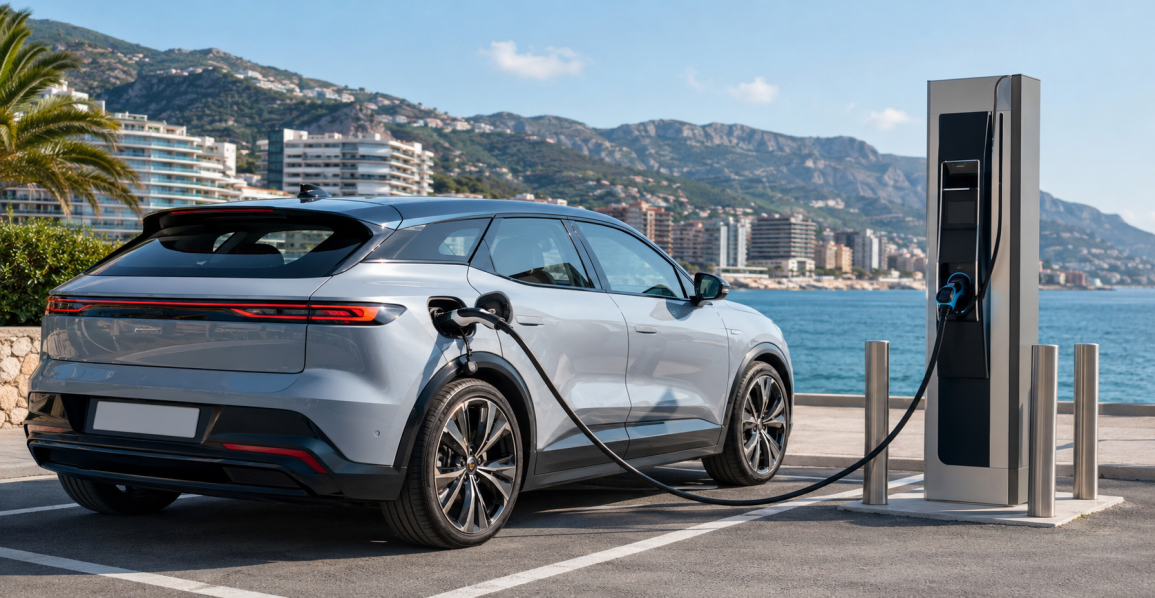
Newest electric cars in 2026 can no longer be viewed as niche vehicles for early adopters alone. Over the last development cycle, the market has clearly matured: real-world range has improved, charging has become faster, driver assistance systems are more refined, and electric cars themselves have become more practical for everyday use and easier to evaluate in terms of total cost of ownership.
For buyers considering electric cars Cyprus as a realistic option, the market is becoming more appealing as well. Public charging infrastructure on the island is expanding, more operators are entering the field, and the selection of models is broader than it was just a few years ago.
What is new in EVs in 2026

The main shift in 2026 is not tied to one spectacular launch. The real change comes from the overall maturity of the segment. Manufacturers are moving toward more efficient aerodynamics, better battery thermal management, and 800-volt architectures in more advanced models. As a result, both range and highway charging speed are improving at the same time.
For example, the Hyundai IONIQ 9 supports ultra-fast charging and is designed for long-distance use with a large battery pack and strong towing capability. The Volvo ES90 is built around a high-performance electrical architecture that supports very fast DC charging, while the Audi A6 e-tron uses a modern premium EV platform focused on efficient energy use and stable long-range performance. These examples show where the industry is heading: the goal is no longer to impress buyers with one headline number, but to build vehicles that feel complete in real use.
Another major trend is the growing emphasis on efficiency rather than simply installing larger battery packs. Some manufacturers have managed to extend driving range without increasing battery size, mainly through better aerodynamics, improved power electronics, smarter software, and more sophisticated energy recovery systems. This matters because it changes the ownership experience. A car that uses energy more intelligently can be easier to live with than one that relies only on battery capacity.
The digital environment inside the vehicle is also becoming a decisive factor. In 2026, many newest electric cars are designed as software-driven products from the start. They offer larger displays, better route planning, predictive charging suggestions, integrated cloud services, voice assistants, and over-the-air updates. The Kia EV4, for example, focuses on a highly digital cabin layout, while Renault 5 E-Tech builds part of its appeal around connected services and a smart user interface. Mercedes-Benz is also pushing digital cockpit concepts further, making the interior experience a central part of the value proposition.
Key technologies changing modern EVs

When people discuss the future of EVs, solid-state batteries are often the first thing mentioned. But when we look at actual production vehicles entering or shaping 2026, the biggest practical improvements are coming from advanced lithium-ion chemistry, more effective energy management, and intelligent thermal systems.
This is one of the most important realities for buyers: the technologies that matter most are the ones that improve daily use right now. Higher-voltage platforms, faster charging curves, improved battery cooling, and smarter route-based energy planning all make a bigger difference today than concepts that are still years away from widespread deployment.
Lucid Gravity is a strong example of what this progress looks like in practice. It combines a very high-voltage platform with extremely fast charging and long range, while also delivering significant interior space. The Volvo ES90 and Audi A6 e-tron also show how premium EV engineering is shifting toward systems that make long-distance travel easier and more predictable.
Energy management software deserves separate attention. Modern electric cars are increasingly judged not only by their battery size, but by how well they use energy in changing conditions. Regenerative braking systems are becoming more advanced, route planning is becoming more predictive, and battery preconditioning is now a core function rather than a premium extra. This changes what buyers should look for. A technically impressive EV is no longer defined by motor output alone. It is defined by how smoothly it integrates charging, efficiency, battery health, and user experience.
Driver assistance systems are evolving too. In 2026, adaptive cruise control is no longer enough on its own. Buyers want to know how well assistance systems are integrated, how clearly data is displayed, how reliably the vehicle predicts remaining range, and how seamlessly navigation works with charging stops. Software quality is becoming just as important as suspension tuning or seat comfort in many models.
Over-the-air updates also matter more than they used to. A modern EV can improve after purchase through software refinements, interface changes, charging optimization, and expanded functions. This is one reason why newest electric cars feel different from earlier generations. They are no longer static machines. They are evolving products.
How to evaluate new EV models properly

Driving range should always be interpreted carefully. One thing is the maximum official figure under ideal testing conditions. Another is real-world usability in mixed traffic, with air conditioning running, passengers in the car, uneven terrain, and varying speeds.
For urban use, a certified range of 400 to 500 kilometers is often more than enough. For drivers who spend a lot of time on highways, the more important question is how quickly the car can recover meaningful range during a short charging stop. That is where models such as the Audi A6 e-tron, Volvo ES90, Hyundai IONIQ 9, Lucid Gravity, and Mercedes-Benz CLA Electric stand out.
Charging infrastructure is just as important as the vehicle itself. Buyers need to understand where they will charge most often: at home, near work, or on the road. This question becomes particularly practical when discussing electric cars Cyprus, because daily travel distances on the island are often manageable, but charging convenience still determines whether ownership feels easy or frustrating. In that context, electric cars Cyprus are already a realistic transport format for many drivers, as long as the charging ecosystem is mapped in advance and the chosen model fits actual driving habits.
Comfort and interior usability should also be assessed in a practical way. Some buyers care most about seat quality and ride softness. Others prioritize rear-seat space, luggage capacity, cabin quietness, and infotainment speed. This is why the 2026 market is so diverse. Renault 5 E-Tech and Kia EV4 focus on offering modern digital value in a more accessible format. Polestar 4 and Audi A6 e-tron lean toward a more minimalist, tech-oriented premium identity. Lucid Gravity and Hyundai IONIQ 9 prioritize spaciousness, family comfort, and long-distance usability.
Price is another factor that should be examined beyond the sticker figure. Total cost of ownership includes electricity costs, maintenance, charging equipment, insurance, resale value, software ecosystem stability, and battery warranty confidence. The best EV is not always the one with the most dramatic specifications. Often it is the one that matches the owner’s real life with the fewest compromises.
Top 10 newest electric cars of 2026

Below is a curated list of ten EVs that either arrived as important new models or entered 2026 as significantly updated vehicles worth serious attention.
1. Tesla Model Y (updated version)
The refreshed Model Y remains one of the strongest all-rounders on the market. Tesla has improved efficiency, refined cabin comfort, and worked on noise reduction and ride quality. Its appeal still comes from the same core strengths: mature software, strong charging ecosystem integration, competitive range, and everyday versatility.
This model suits buyers who want a well-known, broadly capable EV for commuting, family use, and long-distance driving without entering the luxury segment.
2. Kia EV4
The Kia EV4 is one of the most interesting new entries in the mid-size category. It brings together a long projected range, a highly digital interior, and a modern design language that feels fresh without becoming impractical.
It is a strong fit for buyers who want a family-oriented EV with contemporary interfaces, solid efficiency, and enough refinement to feel competitive beyond price alone. Among the newest electric cars, it stands out as a model aimed at mainstream buyers who still want something forward-looking.
3. Hyundai IONIQ 9
Hyundai’s IONIQ 9 pushes the brand deeper into the large electric SUV category. This model is aimed at families, long-distance drivers, and buyers who want generous cabin room without giving up modern EV efficiency.
Its major strengths are space, long-range capability, and fast charging. It is well suited to drivers who treat the car as a multi-purpose vehicle rather than a city-only machine. For larger households, this is one of the more practical electric cars entering the market at a high level.
4. Volvo ES90
The Volvo ES90 represents a serious premium electric sedan entry with an emphasis on safety, long-distance comfort, and Scandinavian restraint. It is not trying to be flashy in the traditional sense. Instead, it offers a calm, high-tech ownership experience built around fast charging, strong range, and premium execution.
This car suits buyers who want a refined electric sedan that feels modern but not aggressive, with a premium identity based on quality and confidence rather than spectacle.
5. Audi A6 e-tron
The Audi A6 e-tron is one of the most balanced new electric business-class models. It combines strong range, fast charging, premium materials, and a mature driving character. Audi has clearly aimed this car at buyers who want a true long-distance electric vehicle without moving into a bulky SUV.
It is a very strong option for professionals, frequent highway users, and families who prefer a more elegant body style with premium comfort. It also reflects how electric cars in this segment are becoming more complete as real transport tools.
6. Porsche Macan Electric
The Macan Electric is not simply an electric conversion of a familiar premium crossover formula. Porsche is using it to show that an EV can still deliver brand-specific driving character, sharp response, and emotional appeal.
This model suits drivers who want a premium crossover with genuine performance credentials. It is especially attractive for buyers who care about chassis tuning, steering response, and the sense that technology is serving the driving experience rather than replacing it.
7. Mercedes-Benz CLA Electric
Mercedes is using the electric CLA to make a strong statement about efficiency and digital luxury. The model is positioned as a sleek electric sedan with very long range potential, fast charging, and a cabin centered on the next generation of MBUX digital systems.
It is a compelling choice for buyers who want a premium sedan rather than an SUV, especially if interface quality, long-distance efficiency, and brand prestige are high priorities.
8. Renault 5 E-Tech Electric
Renault 5 E-Tech is one of the most charming and strategically important EV launches in Europe. It proves that smaller electric vehicles can still feel exciting, intelligently packaged, and emotionally appealing. It combines compact dimensions with modern connectivity, a distinctive design identity, and useful everyday efficiency.
This model is ideal for urban drivers, commuters, and buyers who want a smaller EV without the feeling of buying an entry-level compromise. In markets where compact mobility matters, this is one of the smartest choices among the newest electric cars.
9. Lucid Gravity
Lucid Gravity operates in a higher league in terms of charging performance, range ambition, and luxury packaging. It is a large SUV with exceptional engineering goals, aimed at buyers who want flagship-level technology and substantial passenger space in one package.
It is particularly attractive for large families, long-distance travel, and premium buyers who want something more technically ambitious than conventional luxury SUVs. In pure engineering terms, it is one of the boldest electric cars in the 2026 landscape.
10. Polestar 4
Polestar 4 takes a more design-driven route. It blends coupe-like styling, strong power, large battery capacity, and a digital-first interior philosophy. This makes it appealing to buyers who want a sharp visual identity combined with modern EV performance.
It suits drivers who see design, interface quality, and clean Scandinavian branding as part of the ownership experience, not just secondary details.
Compact and urban EVs in 2026

City driving puts different demands on a vehicle. Maneuverability, parking ease, efficiency in stop-and-go traffic, and smart packaging matter more than maximum battery size. This is why compact EVs remain strategically important even as larger premium models capture headlines.
Renault 5 E-Tech is one of the strongest examples here. It offers a city-friendly footprint, recognizable style, practical technology, and an ownership experience that feels modern rather than stripped down. In crowded urban settings, cars like this often make more sense than oversized SUVs.
For island and city environments, electric cars Cyprus buyers should think especially carefully about actual daily use. Parking conditions, charger availability near residential areas, and the practicality of shorter but more frequent trips all matter. In many such use cases, a well-designed compact EV can outperform a larger and more expensive alternative simply because it fits daily life better.
Mid-size and family EVs

The mid-size and family category is where the EV market is becoming truly competitive. Buyers in this group want balance: enough space, enough comfort, enough range, enough power, and enough technology without stepping into ultra-premium pricing.
Kia EV4 looks especially promising in this context because it offers range, a fresh interior concept, and practical everyday usability in one package. Tesla Model Y remains one of the benchmark choices because of its versatility and charging ecosystem. Hyundai IONIQ 9 goes further by giving families an even more spacious option for long trips and multi-passenger use.
This is the segment where electric cars are becoming normal rather than novel. The question is no longer whether a family EV can work. The real question is which type works best for the way a household actually lives.
Premium and high-performance EVs

In the premium space, raw power is no longer enough to define leadership. Buyers expect strong charging, refined software, excellent ride quality, quiet interiors, and a sense that the whole architecture has been engineered properly.
- Volvo ES90 appeals through safety, calm luxury, and long-range confidence.
- Audi A6 e-tron focuses on engineering maturity and business-class usability.
- Porsche Macan Electric delivers performance and brand character.
- Lucid Gravity pushes high-end EV capability to a very ambitious level.
- Mercedes-Benz CLA Electric adds the promise of remarkable efficiency with a high-tech premium cabin.
This category shows how far newest electric cars have progressed. Premium EVs in 2026 are no longer experimental halo products. They are serious, competitive vehicles in their own right.
Features worth paying attention to
When choosing between new EVs, buyers should focus on functions that improve real ownership rather than just looking for long options lists.
Useful features include adaptive driver assistance systems, clear route planning with charging logic, reliable voice control, battery preconditioning, intelligent climate management, and over-the-air software support. Bidirectional charging is also becoming more relevant in some models, especially for households that want more flexibility in how the vehicle interacts with home energy use.
The more an EV behaves like a well-integrated mobility system rather than a standalone machine, the stronger its long-term value tends to be.
Comparing new EVs by core criteria
For quick comparison, buyers should focus on three practical pillars: range, charging speed, and real suitability for a specific use case.
- If maximum range is the priority, models such as Mercedes-Benz CLA Electric, Volvo ES90, Audi A6 e-tron, and Lucid Gravity deserve close attention.
- If charging speed is critical, Lucid Gravity, Hyundai IONIQ 9, Volvo ES90, Audi A6 e-tron, and Porsche Macan Electric are among the more notable choices.
- For urban use, Renault 5 E-Tech stands out.
- For family use, Tesla Model Y, Kia EV4, and Hyundai IONIQ 9 are especially relevant.
- For premium performance and image, Porsche, Polestar, Audi, Lucid, Volvo, and Mercedes each offer different strengths.
The right recommendation always depends on the driver. Some need a compact commuter. Some need a family all-rounder. Some want premium silence and range. Others want emotional design and performance. That is exactly why the 2026 EV field is stronger than before: it offers more meaningful specialization.
EV development after 2026
Looking beyond 2026, the industry will keep moving in three clear directions. The first is further improvement in efficiency and charging speed. The second is deeper integration of vehicles into broader energy systems through V2X concepts and smarter home charging. The third is better infrastructure combined with more advanced route planning, charging prediction, and software ecosystems.
For places where charging growth is particularly important, electric cars Cyprus will likely become even more practical as the network becomes denser and easier to use. Once infrastructure reaches a certain comfort threshold, adoption usually accelerates because hesitation falls away.
Environmental policy, emissions regulation, and investment in cleaner transport will also continue shaping the market. But for most buyers, the decision will still come down to simple questions: Is the car convenient, efficient, comfortable, and financially reasonable to own?
Conclusion
The EV market in 2026 offers far more than a handful of interesting launches. It offers a mature set of choices across city cars, family vehicles, premium sedans, high-performance crossovers, and large luxury SUVs. Newest electric cars are now defined by a broader package: longer range, faster charging, smarter software, better comfort, and more stable day-to-day usability.
That means electric cars should now be chosen not by one marketing figure alone, but by the full combination of charging behavior, interior usability, real-world practicality, software quality, and ownership costs. For buyers evaluating electric cars Cyprus, the best option will usually depend on budget, local charging convenience, trip patterns, and how much value is placed on technology in daily driving. In that sense, 2026 is an important year not just because the cars are newer, but because the market itself is finally becoming more complete.

