



Top Budget Electric Cars for City Driving in 2026
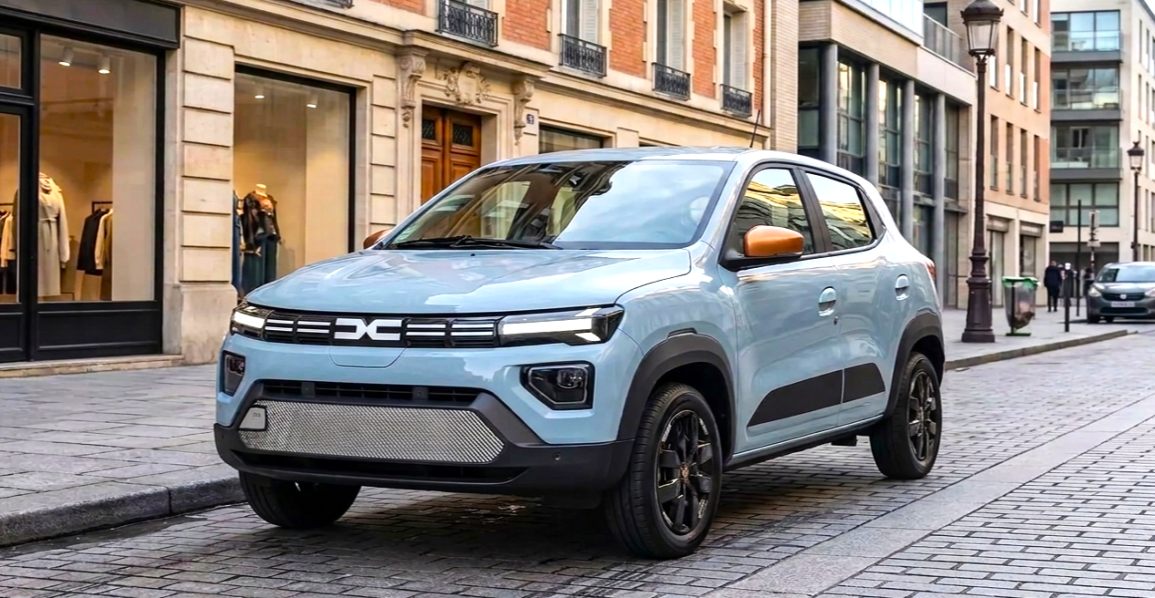
The global transition to electric transport has reached a stage of maturity in 2026. Compact electric vehicles (EVs) have ceased to be a niche product for enthusiasts and have become the primary choice for metropolitan residents. The growing popularity of the small EV class is driven by a combination of stringent environmental standards, the expansion of charging networks, and a significant reduction in total cost of ownership.
In dense traffic conditions, a small electric vehicle offers maneuverability and economy unattainable by traditional internal combustion engine (ICE) vehicles. Modern battery manufacturing technologies have made these small electric cars affordable while maintaining a decent level of comfort.
What Defines a Budget Compact Electric Vehicle
A budget compact electric vehicle is a Segment A or B transport powered exclusively by electric traction, with a price point comparable to mass-market gasoline hatchbacks. In 2026, this segment is characterized by the use of lithium iron phosphate (LFP) batteries, which are cheaper to produce and possess an immense lifecycle.
Key characteristics of the budget segment:
- Affordability. Retail prices ranging from $18,000 to $30,000 (or equivalent in Euros).
- Ergonomics. Maximum utilization of interior space within minimal external dimensions.
- Efficiency. Low energy consumption (averaging 12–15 kWh per 100 km).
- Simplification. Use of high-quality yet cost-effective interior materials to reduce production costs.
These electric vehicles are ideal for daily routines. However, certain limitations should be considered: limited range (usually up to 350 km), restricted trunk capacity, and less suitability for long-distance highway travel where energy consumption increases sharply.
What to Look for When Choosing
Choosing an electric vehicle requires a different approach than purchasing an ICE car. Key metrics here shift toward energy efficiency and charging speed, as these factors directly impact the convenience of your daily life.
When selecting a model, it is important to check the following parameters:
- Real-world Range. Use the WLTP standard as a guide, but adjust for driving style and climate.
- Charging Port Type. CCS2 is the standard in Europe, while NACS (formerly Tesla) is the standard in the US.
- Inverter Power. The ability to charge via alternating current (AC) at 11 kW reduces home charging time to a single night.
- Battery Warranty. In 2026, the industry norm is coverage for 8 years or 160,000 km.
Interior space and trunk volume are equally important. The absence of a bulky engine allows engineers to create a completely flat floor in the cabin, adding legroom and making even a small electric vehicle feel visually spacious inside.
Testing Parameters for Review
To compile an objective rating, we evaluate cars based on a set of rigorous criteria. This helps determine how electric vehicles perform in real-world operating conditions.
Our core testing metrics include:
- City Dynamics. Evaluation of 0–60 km/h acceleration, which is critical for maneuvering in traffic.
- Suspension Comfort. How the electric car handles speed bumps and bridge expansion joints.
- Intelligent Assistants. Presence of adaptive cruise control and emergency braking systems.
- Interface. Multimedia performance speed and smartphone connectivity stability.
Noise insulation is another critical area. Since an electric motor operates almost silently, sounds from the road and suspension become more noticeable; therefore, we pay special attention to NVH (noise, vibration, and harshness) characteristics.
Top 7 Budget Small EVs
We have selected seven models that demonstrate the best balance of price, technology, and consumer value for the European and American markets.
- Dacia Spring (2026). The record-holder for affordability. With a 27 kWh battery, it offers a range of 225 km. It is an excellent no-frills option for the city with maximum operational efficiency.
- Renault 5 E-Tech. A blend of retro design and modern technology. A 300 km range and an advanced recuperation system make it a favorite among younger drivers.
- Citroen e-C3. One of the most comfortable in its class thanks to the Progressive Hydraulic Cushions suspension. An 44 kWh LFP battery provides a range of 320 km.
- MG4 EV (Standard Range). Rear-wheel drive and excellent weight distribution. With a 350 km range, it offers great driving dynamics for a very reasonable price.
- Fiat 500e. A style icon. The 2026 model received updated software and a 42 kWh battery. Ideal for parking where others simply won't fit.
- Volkswagen ID.2all. German practicality. A trunk volume of 490 liters makes it a leader in cargo capacity among small cars. Range is 320 km.
- BYD Dolphin Mini. A technological leader from China. Featuring the incredibly reliable Blade Battery and a comprehensive suite of safety systems even in the base trim.
Each of these models has its own strengths. For instance, the Dacia wins on price, the MG4 on driving qualities, and the Volkswagen on practicality.
Comparison of Key Parameters
For clarity, we have summarized the primary data in a table.
Model | Range (km) | Power (hp) | Price (Estimated, €) |
Dacia Spring | 225 | 65 | 18,000 |
Renault 5 | 300 | 120 | 25,000 |
Citroen e-C3 | 320 | 113 | 23,000 |
MG4 Standard | 350 | 170 | 28,000 |
Fiat 500e | 310 | 118 | 29,000 |
VW ID.2all | 320 | 150 | 25,000 |
BYD Dolphin Mini | 300 | 75 | 19,000 |
Analyzing the table, we can conclude: if your priority is economy, look toward the Dacia or BYD. If you need a versatile vehicle that can handle longer out-of-town trips, the MG4 is the best choice.
Advantages of Small EVs in Daily Life
Using a compact electric vehicle in an urban environment provides the driver with several privileges unavailable to owners of large SUVs. Primarily, it is maneuverability.
There are other operational advantages as well:
- Ease of Parking. A small electric vehicle takes up 30–40% less space than a standard sedan.
- Charging Cost. Charging at home during nighttime hours is 4–5 times cheaper than gasoline.
- Access to City Centers. Free entry into Low Emission Zones (LEZ).
- Silence. The absence of ICE vibrations makes trips less fatiguing.
Эти факторы делают маленькие электромобили идеальным инструментом для ежедневной логистики, значительно снижая уровень стресса водителя в пробках.
Possible Disadvantages and Compromises
Despite the numerous advantages, the budget segment implies certain compromises. The primary limitation remains the highway range—at high speeds, the aerodynamics of compact electric cars work against them.
What you will have to accept for the sake of economy:
- Materials. There will be more hard plastic in the cabin than in premium models.
- Rear Seating. Adult passengers and tall children may find it cramped.
- Charging Speed. Budget models rarely support ultra-fast charging exceeding 100 kW.
By understanding these features, you can avoid post-purchase disappointment by using the vehicle in the specific scenarios for which it was designed.
Maintenance Costs in the Long Term
When analyzing the Total Cost of Ownership (TCO), it is important to consider more than just the purchase price. In 2026, battery degradation has ceased to be a major concern, and the overall maintenance cost of an EV has become significantly lower than its ICE counterparts.
Costs over 5 years of operation include:
- Electricity. The largest but most controllable expense.
- Maintenance. Replacement of brake pads (which wear out slower due to recuperation), cabin filters, and battery coolant checks.
- Insurance. May be slightly more expensive due to component costs but is often offset by tax incentives.
Many governments offer subsidies that can cover up to 15–20% of the car's cost, making the purchase even more advantageous.
Charging Infrastructure for Small EVs in Cyprus
For residents of regions like Cyprus, a compact electric vehicle is an ideal solution due to the short distances between cities. Today’s charging network includes both slow Type 2 ports and high-speed hubs.
Charging tips on the island:
- Home Station. Install a 7.4 kW Wallbox—this is sufficient to charge any of the Top 7 models overnight.
- Planning. Use apps like PlugShare or local services to check real-time charging status.
- Routes. The distance from Paphos to Ayia Napa is approximately 170 km, allowing this journey to be completed in any modern budget EV without recharging.
This geography allows EV owners to feel completely free, without the fear of being left with a dead battery far from civilization.
How to Choose the Best Budget Compact EV for You
For a purchase to bring joy, you must honestly assess your needs and operating conditions. The right choice is always a balance between your desires and technical reality.
How to choose a car:
- Measure Daily Mileage. If it is within 60–80 km, you do not need an expensive model with a large battery.
- Check Ergonomics. Be sure to sit in the cabin and check if the interface is intuitive for you.
- Research Service. Ensure there is a dealer in your city capable of servicing electric systems.
- Take a Test Drive. Evaluate the recuperation performance—some drivers need time to adjust to one-pedal driving.
A thorough approach to selection ensures that your small electric vehicle will remain a reliable companion for years to come.
Conclusion
Budget compact electric vehicles in 2026 are an excellent solution for the urban resident. They save on the budget, provide a high level of convenience for parking and maneuvering, and minimize environmental impact. The right choice depends on your routes and budget, but the wide variety of models on the market ensures that everyone will find an option that fits. Modern small electric vehicles have proven: to be technological and eco-friendly, you don't necessarily need to buy a massive and expensive SUV.

