



How Much Does It Cost to Bulletproof a Car?
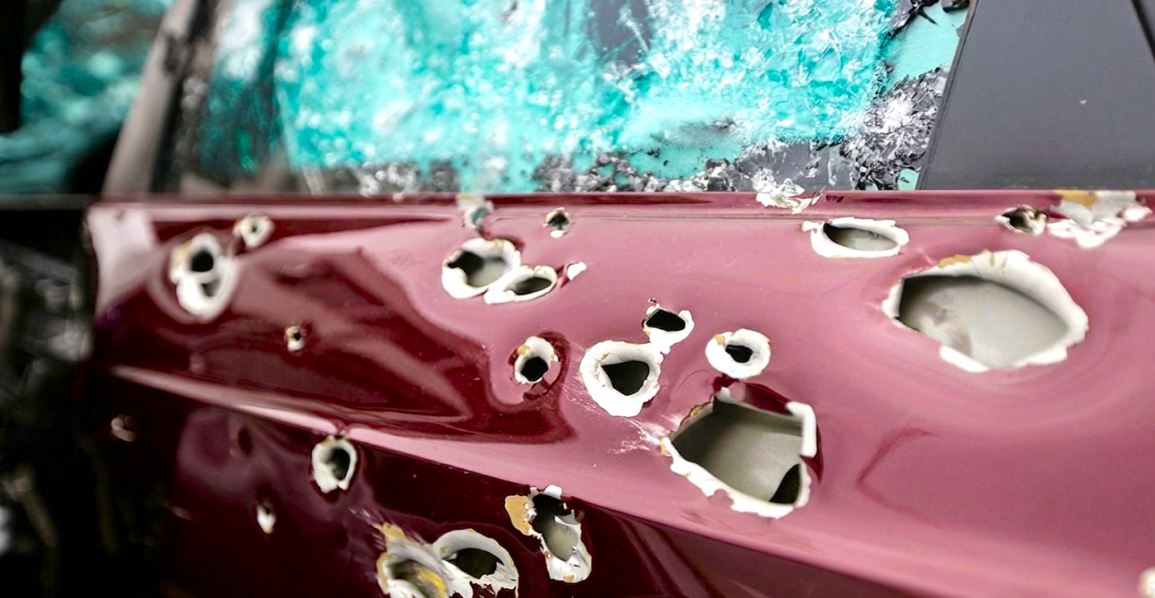
In today's world, personal safety is becoming a priority not only for heads of state but also for major business figures and private individuals. An armored vehicle is not merely a means of transportation; it is a complex engineering system designed to protect passengers from firearms, explosive devices, and targeted attacks. Choosing such a vehicle requires a deep understanding of technical specifications and ballistic standards.
In this article, we will explore which models are considered the benchmarks of reliability and how to correctly choose a vehicle with an increased level of protection.
What is an Armoured Car?
Externally, an armored car is virtually indistinguishable from a standard production model; however, its internal structure undergoes radical changes. The primary task of engineers is to create a protective capsule around the passenger compartment that maintains its integrity under external impact.
Differences Between Factory Armor and Aftermarket Conversion
To obtain a protected vehicle, customers generally take one of two paths, each with its own technological characteristics:
- Factory Armoring (OEM). The vehicle is designed to be protected from the very beginning on the assembly line. Manufacturers such as Mercedes-Benz or BMW use reinforced frames and components specifically engineered to handle the massive weight of the armor.
- Specialized Workshop Conversion (Aftermarket). A production vehicle is completely disassembled, and armored panels and bulletproof glass are installed. This method allows almost any model to be transformed into a "fortress on wheels" according to individual requirements.
This approach allows protection to be integrated as discreetly as possible while maintaining the habitual comfort and aesthetics of the car.
Ballistic Protection Levels
International standards, such as VPAM (European) and CEN, are used to classify the degree of security. They determine which weapons and ammunition types the armor can withstand. Let us consider the primary levels found on the market:
- B4. Protection against light small arms, such as.44 Magnum handguns. This is sufficient to repel spontaneous street attacks.
- B6. Protection against assault rifles (AK-47, 7.62x39mm caliber). This is the "gold standard" for the business segment and private security.
- B7 and above. Maximum protection against armor-piercing bullets and sniper rifles (7.62x51mm NATO caliber). These vehicles are used in government motorcades.
Understanding these levels is critically important when ordering a vehicle, as each subsequent step in protection significantly increases the weight and cost of the final product.
Who Needs These Vehicles?
The need for armored transport is dictated by the level of risk an individual faces in their daily life or professional activities. The primary groups of users for protected vehicles include the following categories:
- Politicians and Government Officials. For protection against terrorist acts and politically motivated assassination attempts.
- Businessmen and Entrepreneurs. To prevent kidnappings for ransom or elimination by competitors.
- Celebrities. To shield their private lives from aggressive fans or paparazzi.
- Individuals in High-Risk Regions. Residents of countries with unstable political situations or high levels of street crime.
For each of these groups, priorities may vary: some value discretion, while others require maximum resistance to explosive devices.
Technologies Used in Armoring
Creating a bulletproof car is a high-tech process utilizing materials from the aerospace industry. The primary focus is on strengthening the most vulnerable areas of the vehicle.
Engineers apply a comprehensive approach to protection, integrating elements into the construction that function as a unified shield:
- Multi-layered Armored Glass. Consists of alternating layers of silicate glass and polycarbonate, which prevents shards from flying inside the cabin.
- Reinforced Body Panels. The use of ballistic steel, ceramics, or aramid fibers (Kevlar) to protect doors, pillars, and bulkheads.
- Fuel Tank and Underbody Protection. The application of self-sealing coatings for the tank and V-shaped steel plates on the underbody to dissipate blast energy.
- Run-flat Tires. Special inserts that allow the vehicle to continue moving even with a complete loss of pressure following an attack.
These technologies allow the vehicle not only to withstand the initial hit but also to maintain mobility to exit the kill zone rapidly.
Limitations and Disadvantages of Armored Vehicles
Despite the high level of safety, operating these vehicles involves certain difficulties. Reinforcing the protection inevitably affects technical parameters and ease of use.
The primary factors a future owner must consider include:
- Increased Weight. Armor can add anywhere from 500 kg to 2 tons to the vehicle's mass, which changes its inertia.
- Higher Fuel Consumption. A heavy vehicle requires more energy to move, which reduces its driving range.
- Maintenance Complexity. Specialized service centers are required, capable of working with reinforced suspensions and heavy body components.
- Limited Dynamics. Acceleration time increases, and the braking distance becomes significantly longer.
Owning such a car requires not only financial expenditure but also specialized driver training to manage an ultra-heavy object in a critical situation.
Top 10 Most Protected Vehicles
The market for protected transport offers a wide selection of models, from classic luxury sedans to futuristic SUVs. We have compiled a list of the industry's best representatives for 2025–2026.
This list includes vehicles that have passed rigorous certification and proven their effectiveness in real-world conditions:
Model | Protection Level | Key Features | Target Audience |
Mercedes-Benz S680 Guard | VR10 | Factory integration; withstands SVD sniper fire and blasts. | Heads of State. |
BMW 7 Series Protection | VR9 | Discrete "Core" protection; maintains sedan handling. | Top Management. |
Range Rover Sentinel | VR8 | Ability to clear deep water and off-road terrain under fire. | Tactical Operations. |
Cadillac Escalade (Inkas) | B6/B7 | Luxury office-on-wheels with maximum perimeter protection. | VIPs. |
Toyota Land Cruiser 300 | VR7/VR9 | Maximum reliability and repairability in conflict zones. | High-risk Expeditions. |
Audi A8 L Security | VR9 | Emergency door-exit system (pyrotechnic bolts). | Diplomats. |
Rezvani Vengeance | B6+ | Electric shock door handles, smoke screen, aggressive design. | Private Clients. |
Chevrolet Suburban (Armormax) | B6 | Massive capacity for security details and escort teams. | Security Services. |
Rolls-Royce Cullinan (Klassen) | B6 | Combination of absolute luxury and ballistic protection. | Ultra-High-Net-Worth Individuals. |
Tesla Model S (Armormax) | B4/B5 | Use of lightweight composites to preserve driving range. | Urban Commuting. |
Each of these models can be customized for specific threats, whether it is protection against handgun fire in a metropolis or opposing organized groups with automatic weapons.
What to Look for When Choosing
Purchasing protected transport is an investment in life; therefore, the selection process must be approached systematically. Specification errors can render a vehicle useless during an attack.
Experts recommend focusing on four key aspects before finalizing a deal:
- Protection Level. Must correspond to the actual threats in the region of operation.
- Armor Manufacturer. The reputation of the workshop or factory guarantees there are no "gaps" in the ballistic protection panels.
- Certification. Presence of official test protocols for both gunfire and blasts.
- Vehicle Purpose. Whether it will be a car for daily commutes or a vehicle for emergency evacuation.
Remember that excessive protection can make operating a car in a city extremely inconvenient due to its dimensions and weight.
Factory Armor vs. Custom Armoring
The choice between a factory solution and the services of a tuning workshop is often a dilemma for the buyer. Both options have undeniable advantages and specific drawbacks.
Let us consider the main differences that affect the final operation of the vehicle:
- Advantages of Factory Solutions. Perfect calibration of all systems (ABS, ESP, transmission) for the increased weight and maintenance of a full factory warranty.
- Flexibility of Custom Conversions. The ability to armor any model, install specific systems (secure comms, air filtration), and customize the interior/exterior design.
- Difference in Price and Lead Times. Factory cars are more expensive and produced in limited runs; custom solutions can often be implemented faster.
- Reliability and Testing. Factory models undergo comprehensive crash tests of the entire structure, whereas workshops often test individual armor fragments.
Most government structures prefer factory armor, while private individuals often choose custom SUVs for their versatility.
Cost of Armored Vehicles
One of the most frequent questions from clients concerns the project budget. It is important to understand how much does it cost to bulletproof a car, as the price is composed of the base chassis cost and the complexity of the armoring work.
The price range on the market is extremely wide, and the final sum can increase significantly depending on options:
- Entry-Level Range. From $100,000 to $150,000 for light armoring (B4) based on a standard production sedan.
- Mid-Level Range. From $200,000 to $450,000 for full protection (B6) of a business-class SUV.
- High-End Range. From $600,000 and up (into the several millions) for limousines and specialized equipment with VR10 levels.
Costs are influenced by options such as fire suppression systems, oxygen tanks for protection against gas attacks, heavy-duty braking systems, and bespoke interior solutions.
Legality and Restrictions
Owning an armored vehicle imposes certain legal obligations on the owner. Legislation in this area varies depending on the country of residence.
Before purchasing, it is necessary to study the following legal intricacies:
- Regulation in Different Countries. In some states, a special permit or license is required to operate an armored vehicle.
- Registration Requirements. Mandatory recording of changes in mass and construction in the registration documents.
- Restrictions on Use. Prohibitions on using certain sirens/lights, smoke screens, or gun ports in the civilian sector.
Ignoring these rules can lead to the confiscation of the vehicle or issues with insurance claims.
Is it Worth Buying an Armored Car?
The decision to purchase should be balanced and based on an objective risk analysis. Protection is not only a physical barrier but also psychological comfort for the owner.
A purchase is justified in situations where the potential damage from an attack significantly exceeds the cost of the vehicle:
- Assessment of Actual Risks. If your activity involves transporting valuables or if you hold a public office.
- When it is Justified. In conditions of working in countries with high crime rates or in the presence of direct threats.
- Alternatives. Using professional security services, armored glass in the office, and modern cybersecurity technologies.
For many clients, an armored car becomes an "insurance policy" that may never be needed, but at a critical moment, it will save what is most precious.
Conclusion
Armored vehicles provide an unprecedented level of personal safety, combining the power of engineering with the comfort of modern transport. However, they are not suitable for everyone due to the specifics of maintenance and high costs. The final choice depends on the threat level, budget, and the tasks the vehicle must perform. The most important thing to remember is that safety is a complex set of measures, where a high-quality car is just one, albeit vital, part of protecting your life. With the right approach, such a vehicle will become a reliable ally, guaranteeing peace of mind in any road situation.

