



Essential Car Maintenance Checklist for Safe and Reliable Driving
Regular car maintenance is not only a matter of cost savings but also a fundamental factor in the safety and longevity of your vehicle. Timely monitoring of key components helps avoid expensive major repairs and preserves a high resale value on the secondary market.
Many operations required to keep a vehicle operational do not demand high mechanical qualifications or complex stationary equipment. Most basic procedures can be performed in a garage or on a driveway. In this article, we will examine the skills a novice driver needs to independently maintain a vehicle in sound technical condition.
Basic Tools and Equipment for Home Maintenance
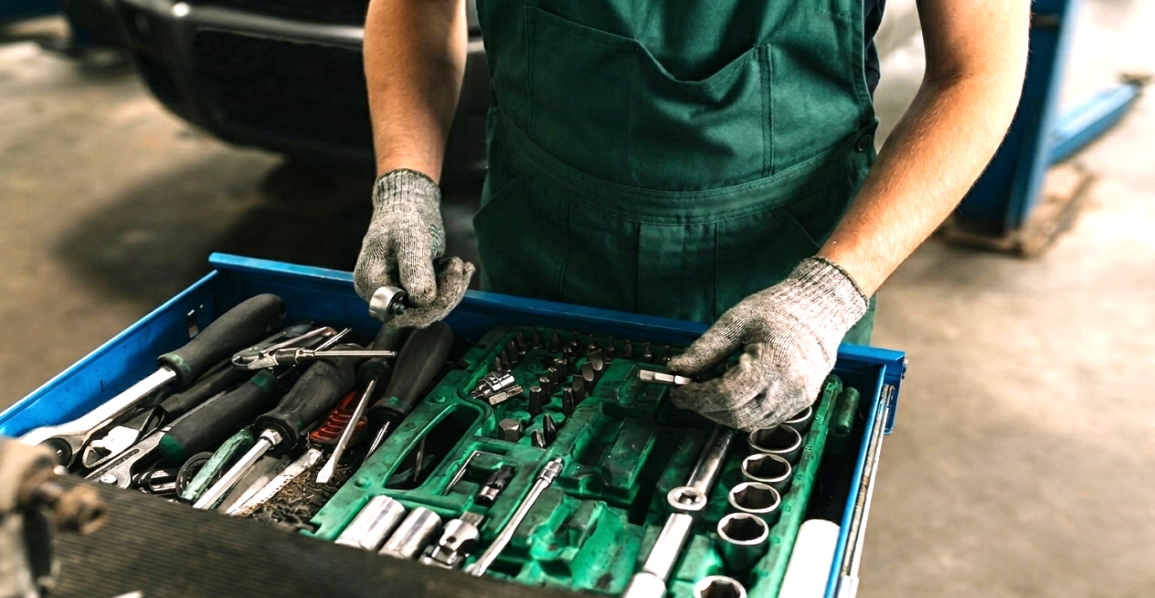
Before starting any manipulations under the hood or chassis, it is necessary to prepare a minimum set of equipment. The quality of your tools directly affects the speed of work, the precision of force applied, and the integrity of fasteners.
A basic kit should include the following items:
- Socket and Wrench Set. It is recommended to have a set with both metric and SAE (imperial) measurement systems (relevant for the US market). The optimal socket range is from 8 mm to 22 mm.
- Screwdrivers and Pliers. The set should include flathead and Phillips screwdrivers of various sizes, as well as needle-nose pliers for working in hard-to-reach areas.
- Jack and Jack Stands. It is strictly forbidden to work under a vehicle held up only by a jack. Stands provide the necessary stability and safety.
- Fluid Containers: Specialized drain pans for oil and antifreeze, as well as funnels for clean pouring.
- Personal Protective Equipment (PPE). Nitrile gloves to protect skin from chemicals and safety glasses to prevent fluids and dust from entering the eyes.
Having these tools allows you to perform up to 80% of routine maintenance tasks without visiting a service center. After preparing the workspace, you can move on to the most important procedure - servicing the power unit.
Oil Check and Change
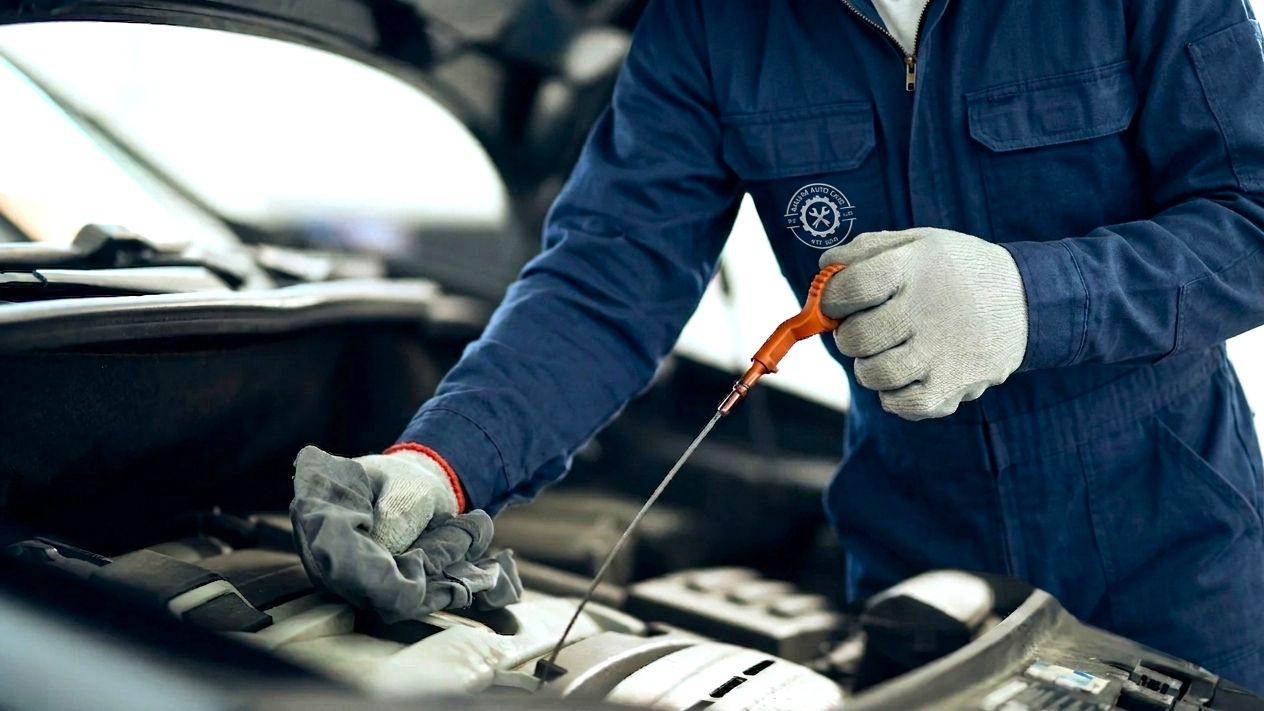
Oil performs the functions of lubrication, cooling, and cleaning internal engine parts from fuel combustion products. Timely oil changes are the most effective way to extend engine life.
When choosing consumables, use only the viscosity and specification indicated in the owner's manual (e.g., 5W-30 or 0W-20). Special attention should be paid to the standards (API, ACEA) recommended by the manufacturer for your specific model. Modern synthetic blends typically require replacement every 7,500–10,000 miles (12,000–16,000 km). However, under severe operating conditions - such as city traffic jams or dusty terrain - the interval should be reduced to 5,000 miles.
The process of changing oil at home consists of several sequential steps:
- Warm up the engine to operating temperature to improve fluid flow.
- Lift the front of the vehicle and secure it on jack stands.
- Unscrew the oil pan drain plug and completely drain the used oil into a prepared container.
- Replace the oil filter, pre-lubricating its sealing ring with fresh oil.
- Reinstall the drain plug (using a new crush washer is recommended) and pour in the new volume of fluid.
After completing the procedure, run the engine for a few minutes to allow the oil to distribute through the system, then check for leaks under the vehicle.
Brake Fluid Check and Replacement
Brake fluid is hygroscopic - it has the ability to absorb moisture from the environment. The accumulation of water lowers the fluid's boiling point, which can lead to a loss of braking efficiency under heavy loads.
To monitor the system's condition, you must regularly check the fluid level in the reservoir; it should be between the MIN and MAX marks. Pay attention to the color: fresh fluid has a light yellow or transparent tint. A dark, almost black color indicates a critical level of contamination and the need for immediate service.
It is recommended to perform a full fluid flush every two years or every 30,000 miles (48,000 km). Self-replacement requires the skill of removing air from the system (bleeding), so beginners should perform this task strictly according to instructions or consult a professional if they lack confidence.
Filter Control and Replacement
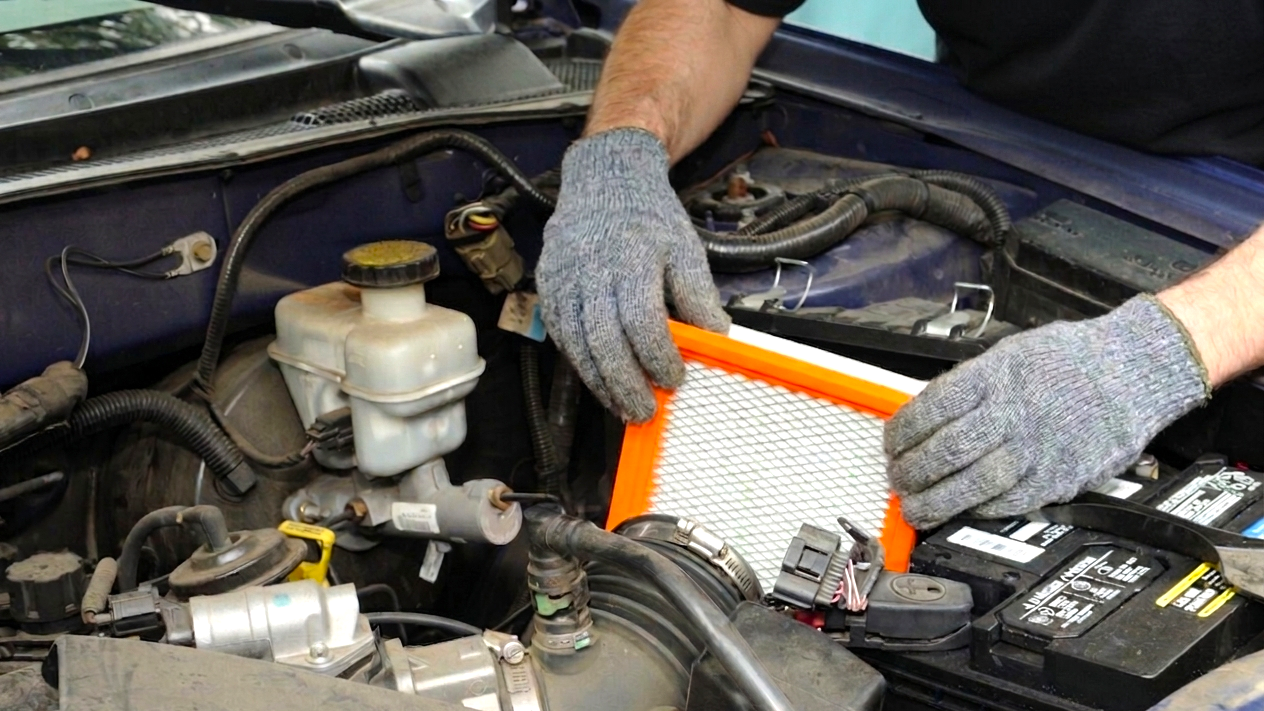
Filters act as a barrier, preventing abrasive particles and pollutants from entering the engine and cabin. Their condition directly affects engine power and the quality of air the driver breathes.
Below is a table showing the main types of filters and their service schedule:
Filter Type | Primary Functions | Recommended Replacement Frequency |
Engine Air Filter | Cleans air entering the engine's combustion chamber. | Every 12,000–15,000 miles depending on conditions. |
Cabin Air Filter | Traps dust, pollen, and odors in the ventilation system. | At least once a year or every 10,000 miles. |
Fuel Filter | Filters impurities and sediment in the fuel line. | According to the manufacturer’s schedule (usually 30,000+ miles). |
You can check the condition of the air filter visually: if the filter element does not let light pass through when held up to a lamp, its pores are clogged and require replacement.
Battery and Electronics
A faulty battery is the most common reason a car fails to start. Proper care helps prevent premature battery failure.
As part of a regular inspection, the following actions should be performed:
- Terminal Inspection. Ensure there is no white buildup (oxidation) on the contacts. This can be cleaned with a stiff brush and a mild baking soda solution.
- Contact Protection. After cleaning, apply a thin layer of dielectric grease to the terminals to prevent corrosion.
- Charge Monitoring. Check the battery voltage with a multimeter (the norm is approximately 12.6V with the engine off).
When replacing the battery yourself, it is important to follow the correct order: always disconnect the negative (-) cable first, and when installing the new battery, connect it last. This eliminates the risk of a short circuit if a metal tool accidentally touches the car body.
Tire Pressure and Condition
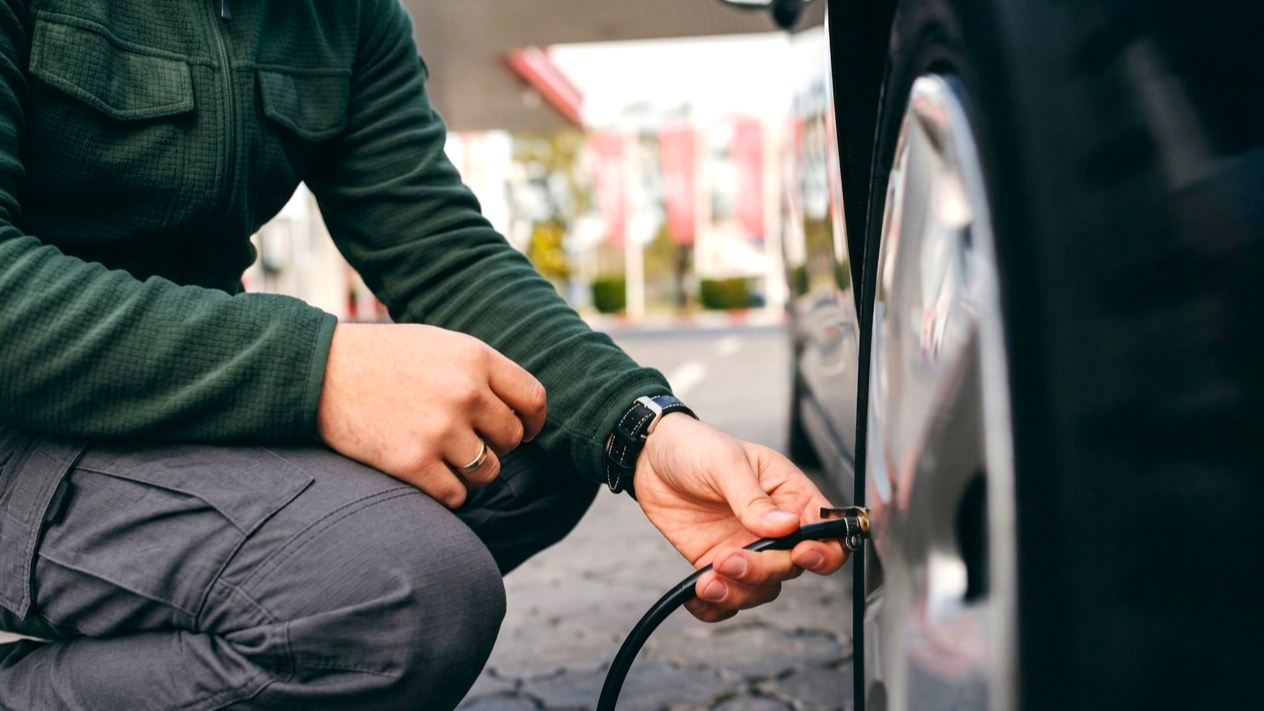
Tires are the only element of the car in contact with the road. Proper pressure affects fuel consumption, directional stability, and braking distance.
Pressure measurements should only be taken on "cold" tires (after the car has been parked for at least 3 hours). The required pressure values are listed on the information placard, usually located on the driver's side door jamb or the fuel filler cap. Do not rely on the maximum pressure indicated on the tire itself.
In addition to pressure, it is vital to monitor tread condition. For safety, it is recommended to replace tires when they reach a tread depth of 3–4 mm. Furthermore, to ensure even wear on all four wheels, it is recommended to rotate tires every 5,000–8,000 miles.
Cooling System
The cooling system maintains the engine's optimal operating temperature. A failure in this system can lead to cylinder head deformation and total engine failure.
To prevent overheating, the owner should regularly perform the following checks:
- Antifreeze Level. Monitor this only via the expansion tank. It is strictly forbidden to open the radiator cap on a hot engine due to the risk of steam burns.
- Hose Condition. Inspect rubber hoses for cracks, bulges, or signs of fluid leakage.
- Radiator Cleanliness. Once a year, clean the radiator fins of dust and insects using compressed air or low-pressure water.
If you notice that the coolant level is constantly dropping, it may indicate a hidden leak or a faulty engine gasket, requiring professional diagnosis.
Lights and Exterior Elements
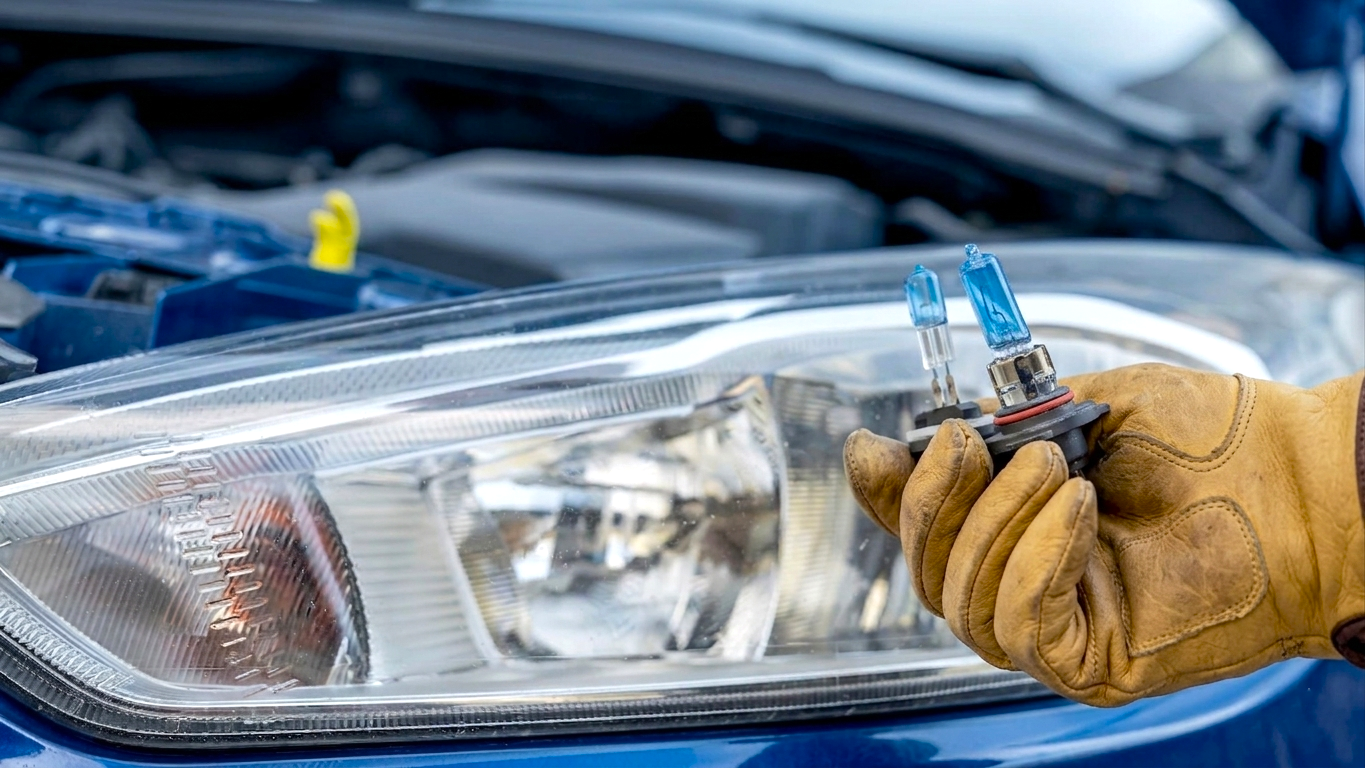
Functioning lighting is critical for visibility at night and in poor weather. Checking light fixtures should become part of a driver’s weekly routine.
Alternately turn on all modes: low and high beams, turn signals, brake lights, and reverse lights. If a bulb is not working, replacement in most vehicles is possible without tools. When replacing halogen bulbs, it is important not to touch the glass bulb with your fingers, as oily residue leads to localized overheating and rapid burnout.
Also, pay attention to the windshield wiper blades. If they leave uncleaned streaks or emit a squeaking sound, their lifespan has ended. On average, blades require replacement every 6–12 months depending on climatic conditions.
Repair and Minor Maintenance
There are a number of simple manipulations that do not require special skills but significantly improve the comfort and reliability of vehicle operation.
To maintain moving joints and prevent noise, it is recommended to:
- Lubricate door hinges, limiters, and locks with silicone spray or white lithium grease twice a year.
- Visually check the tension and integrity of the serpentine/accessory drive belt (looking for cracks or fraying).
- Check the security of the battery tie-down and decorative covers under the hood.
These actions take no more than 15 minutes but help avoid minor troubles on the road, such as stuck locks or a broken alternator belt.
Tips for Beginner Car Enthusiasts
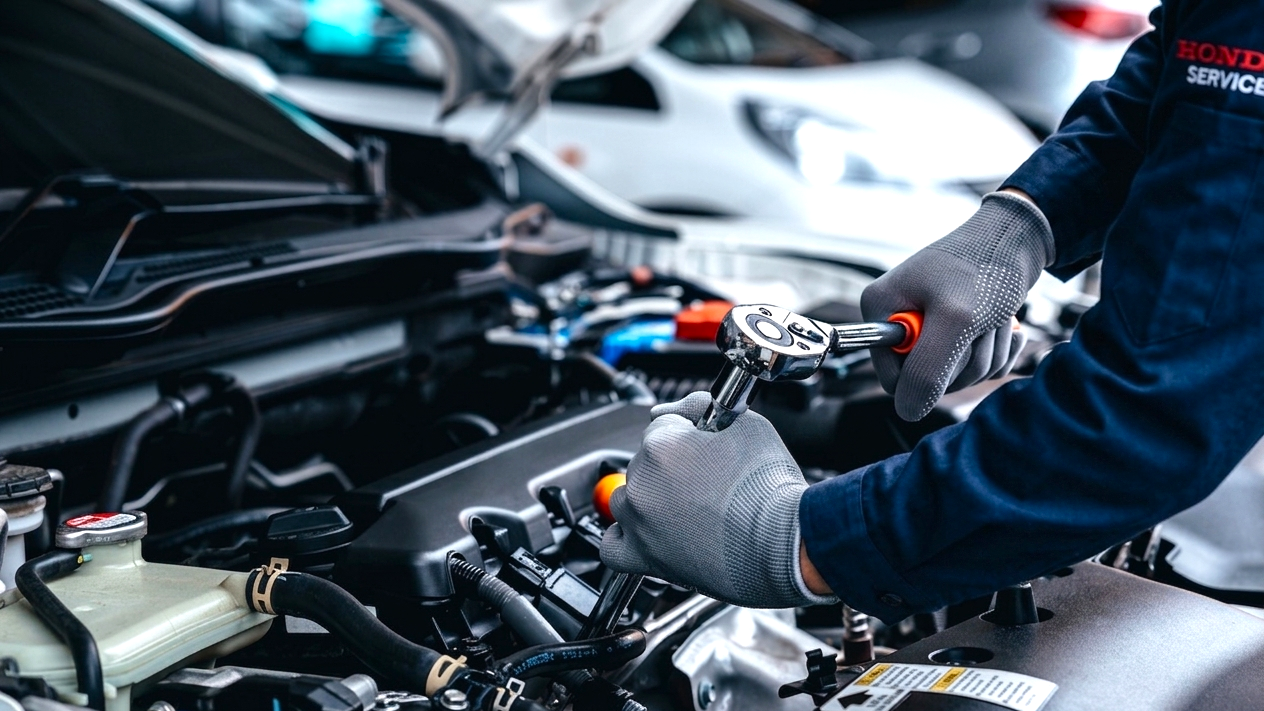
To ensure independent work is effective, it is recommended to develop a personalized car maintenance checklist. A systematic approach minimizes the risk of missing important scheduled tasks.
When performing any work, follow these rules:
- Study the Owner's Manual. It contains precise data on fluid volumes, bulb types, and bolt torque specifications.
- Follow Safety Precautions. Always use jack stands and protective gear.
- Keep a Maintenance Log. Record the replacement date of each part and the current mileage. This helps monitor next service deadlines and serves as proof of quality care when selling the car.
- Do Not Overestimate Your Strength. If the work requires specialized computer equipment or intervention in safety systems (ABS, SRS), contact a certified center.
Adhering to these simple principles will allow you to keep your vehicle in ideal condition and gain a deeper understanding of how it functions.
Conclusion
Independent car maintenance is a reliable way to reduce operating costs and increase confidence in the technical soundness of your vehicle. By understanding the design of major systems, a driver can diagnose a potential problem early, preventing serious breakdowns.
The primary keys to success are using high-quality components, having a basic tool kit, and strictly following manufacturer instructions. Regular inspections and a responsible approach to detail will ensure long and safe vehicle operation in all road conditions.

