



Front-wheel drive, rear-wheel drive, or all-wheel drive: which one to choose?
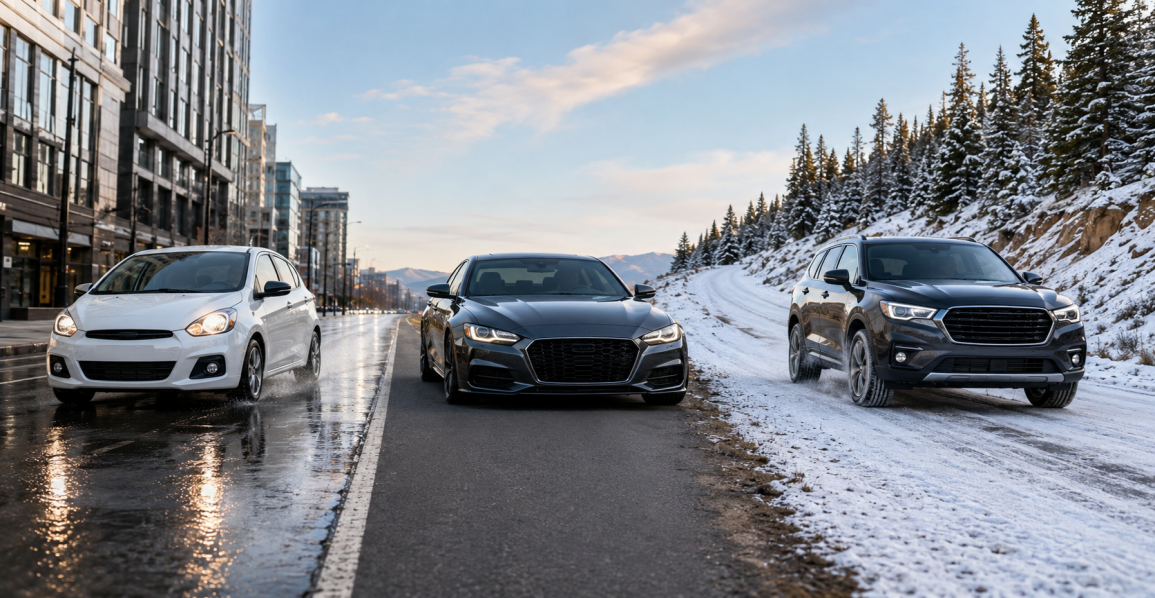
Choosing a car often starts with design, price, engine size, fuel consumption, technology, or monthly payments. The drivetrain comes later, although it can change the way a car feels every day. That is why AWD vs FWD vs RWD is not a technical debate for enthusiasts only. It is a practical question about safety, comfort, running costs, and confidence on the road.
There is no single drivetrain that works best for everyone. Front-wheel drive is simple and efficient. Rear-wheel drive can feel more balanced and engaging. All-wheel drive adds traction in poor conditions, but it also brings extra weight, complexity, and cost.
Before choosing, it helps to focus on three basic questions:
- Where do you drive?
- What is your climate?
- How much can you spend?
A good drivetrain choice should match real use, not marketing language. A car used mainly in a dry city does not need the same setup as a car that regularly climbs snowy roads, leaves paved streets, or carries a family through winter weather.
What drivetrain means in simple terms
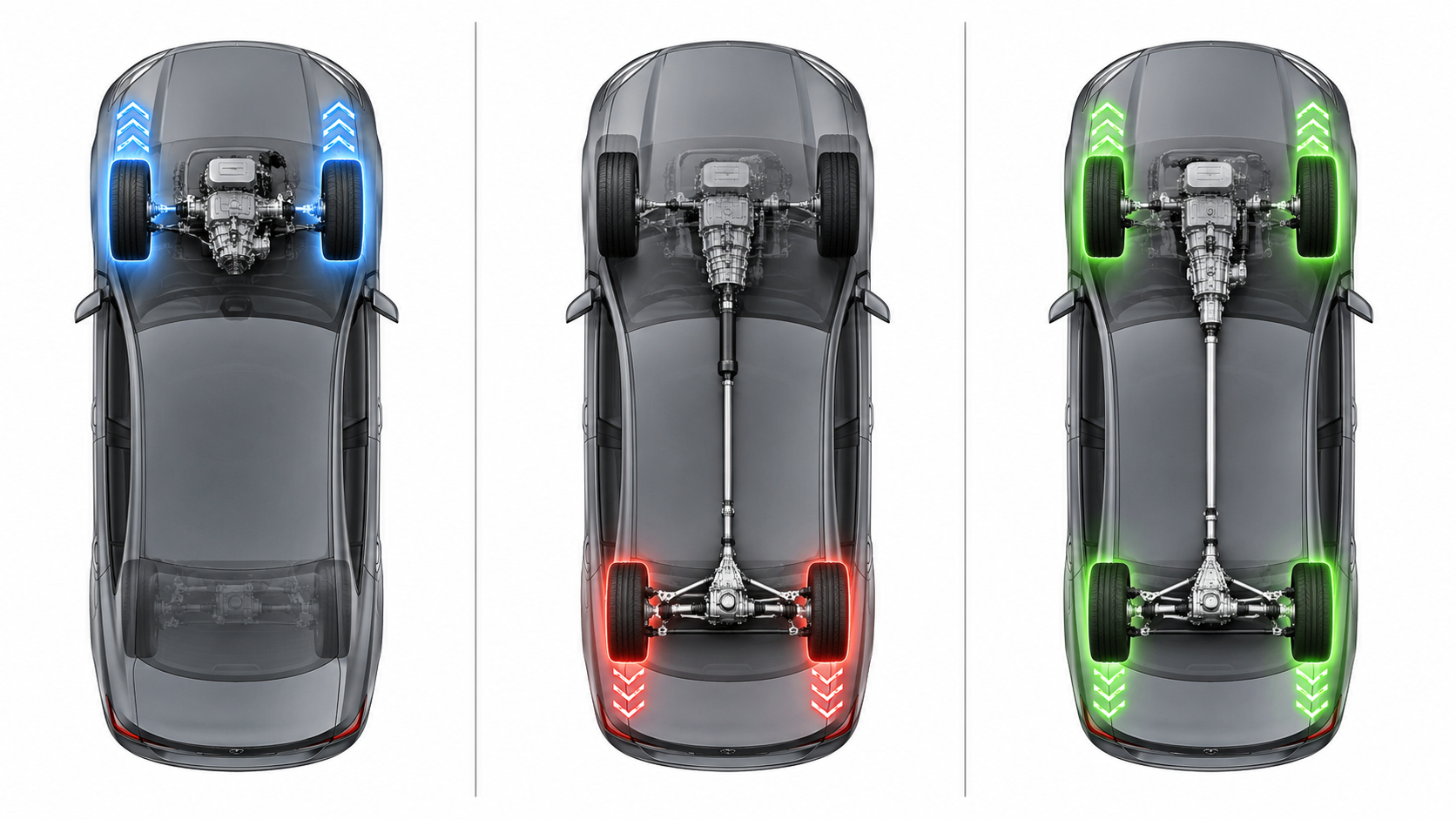
A car’s engine or electric motor creates power. The drivetrain decides which wheels receive that power. Some cars send it to the front wheels, some to the rear wheels, and some distribute it between both axles.
Front-wheel drive, or FWD, sends power to the front wheels. Rear-wheel drive, or RWD, sends it to the rear wheels. All-wheel drive, or AWD, can send power to the front and rear axles, either all the time or only when the system detects a loss of traction.
The difference is easy to remember:
- FWD pulls the car.
- RWD pushes the car.
- AWD shares traction.
- 4WD handles tougher terrain.
This matters most when grip is limited. On dry pavement, many drivers may not notice a dramatic difference during calm daily driving. On wet roads, snow, ice, loose gravel, steep driveways, or sharp acceleration, the drivetrain can noticeably affect how the vehicle behaves.
A drivetrain is not a safety shield. Tires, speed, braking distance, suspension condition, driver input, and electronic stability systems still matter. But the power layout influences how the car starts, turns, accelerates, and reacts when the surface becomes less predictable.
Front-wheel drive: practical, efficient, and common
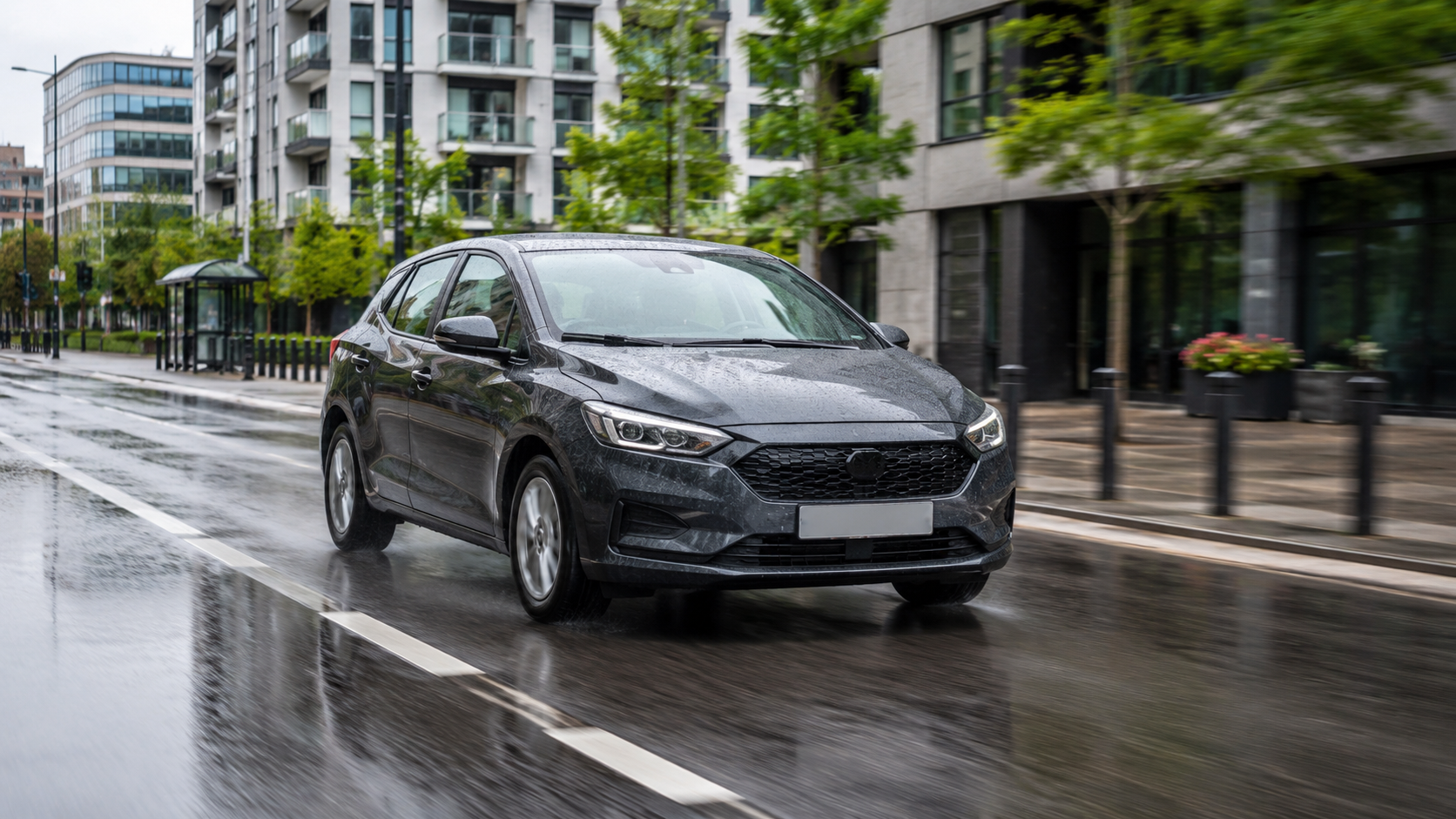
Front-wheel drive is the most common choice for compact cars, many sedans, hatchbacks, minivans, and a large number of crossovers. It is popular because it is space-efficient, relatively light, and usually cheaper to build than more complex layouts.
In an FWD vehicle, the engine and transmission are often packaged together at the front. That leaves more usable cabin and cargo space. It can also reduce manufacturing cost, which often makes the final vehicle more affordable for buyers.
The main benefits are clear:
- Lower purchase price.
- Better fuel economy.
- Simple packaging.
- Predictable city behavior.
- Lower service costs.
FWD also performs well in normal rain and moderate winter conditions when the car has proper tires. Since the weight of the engine is usually over the driven wheels, the front tires can get useful pressure on the road during takeoff.
This layout is especially practical for drivers who mostly use the car for commuting, school runs, errands, and highway trips. It does not make the car sporty by itself, but it gives enough traction and control for ordinary driving in most places.
When comparing RWD vs FWD, the front-wheel-drive option usually wins on efficiency, affordability, and ease of use. It is often the sensible choice for people who value low running costs and predictable behavior more than sporty handling.
There are limits. The front wheels must steer and deliver power at the same time. Under hard acceleration or fast cornering, they can become overloaded. This can lead to understeer, where the car tends to push wide instead of following the driver’s intended line.
The limits of FWD become more noticeable in powerful vehicles. Too much torque through the front wheels can cause wheelspin or steering pull during acceleration. For everyday cars, this is usually controlled well. For performance driving, it can feel restrictive.
FWD is a good fit for these scenarios:
- Daily commuting.
- City traffic.
- Moderate weather.
- Lower budgets.
- Family transportation.
For many buyers, front-wheel drive is the right answer because it solves the real problem. It gets the car moving reliably, keeps the price reasonable, saves fuel, and does not add mechanical complexity that may never be needed.
Rear-wheel drive: balance, control, and driver engagement
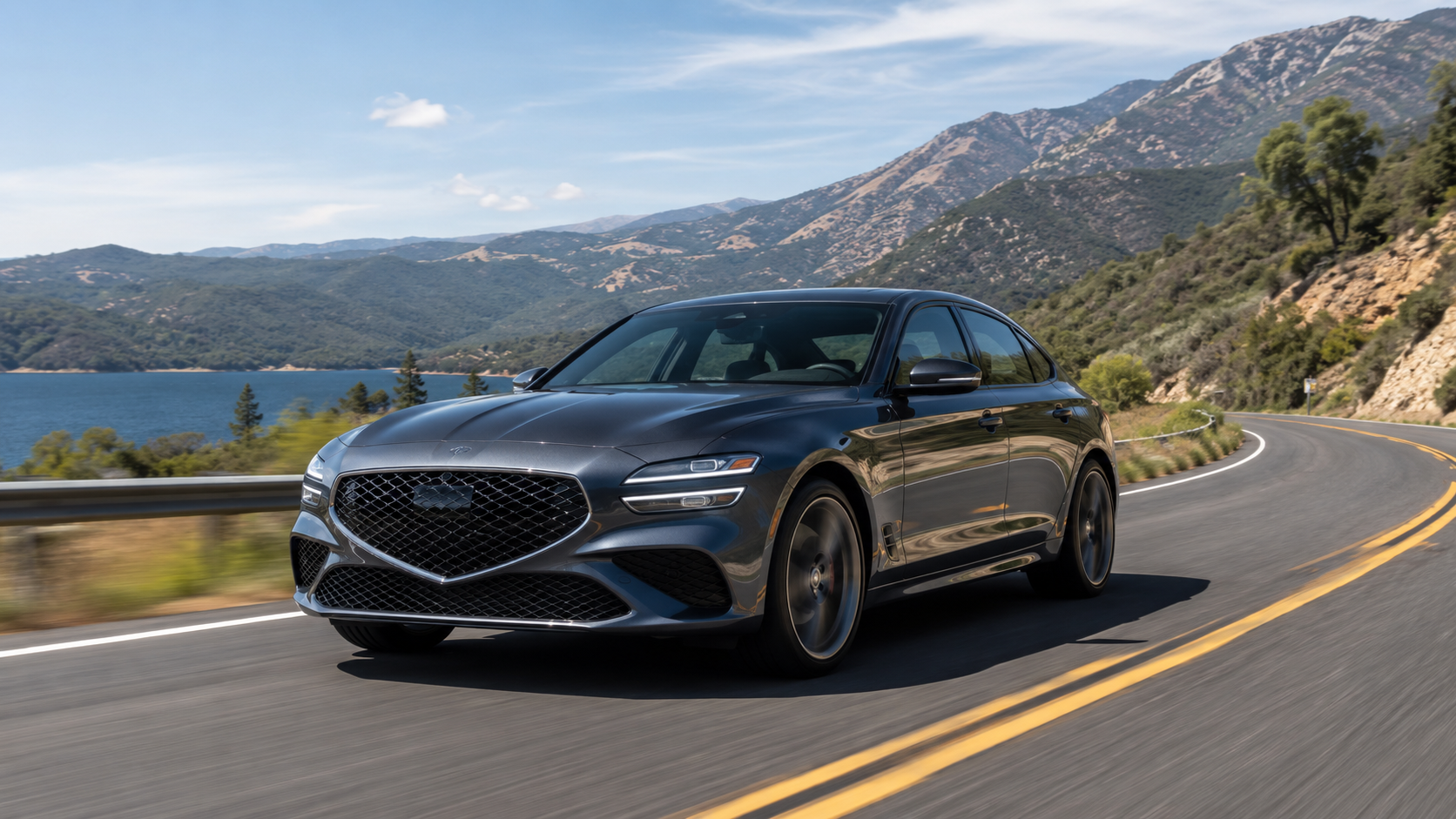
Rear-wheel drive has a different character. The front wheels steer, while the rear wheels deliver power. This separation of tasks can make the steering feel cleaner and the vehicle feel more balanced, especially on dry pavement.
RWD is common in sports cars, luxury sedans, performance models, some trucks, and many powerful electric vehicles. It is often chosen when handling feel matters more than maximum practicality.
The strongest advantages appear in the right conditions:
- Clean dry roads.
- Quality tires.
- Balanced chassis.
- Skilled driving.
- Strong acceleration.
Under acceleration, weight naturally shifts toward the rear of the vehicle. In an RWD car, this can help the driven wheels gain traction. That is one reason many performance cars use rear-wheel drive or rear-biased systems.
The appeal is not only about speed. A well-tuned RWD car can feel more precise. The steering may feel less burdened because the front tires are not responsible for putting engine power to the road. The car can respond more naturally to throttle input.
Still, RWD requires respect. In rain, snow, and ice, the rear axle can lose grip more easily if the driver accelerates too sharply. Modern stability control helps, but it does not remove the need for smooth inputs and proper tires.
The comparison of RWD vs AWD often comes down to feel versus traction. Rear-wheel drive may feel more engaging on clean pavement, while all-wheel drive usually provides more confidence when the surface is slippery or inconsistent.
RWD can be a poor match for inexperienced drivers in harsh winter climates. A powerful rear-wheel-drive car on worn tires can become difficult to manage. The same car on quality winter tires, driven calmly, can be much more predictable.
This layout is best for drivers who understand its strengths and limits. It rewards smooth steering, careful throttle use, and attention to road conditions. It is less forgiving when the driver treats snow, rain, and dry pavement the same way.
RWD suits these drivers:
- Handling-focused buyers.
- Performance car owners.
- Mild-climate drivers.
- Experienced winter drivers.
- Highway-focused users.
For a person who wants a simple daily car, rear-wheel drive may be unnecessary. For someone who enjoys steering precision and vehicle balance, it can be one of the most satisfying drivetrain choices.
All-wheel drive and four-wheel drive: traction with a price
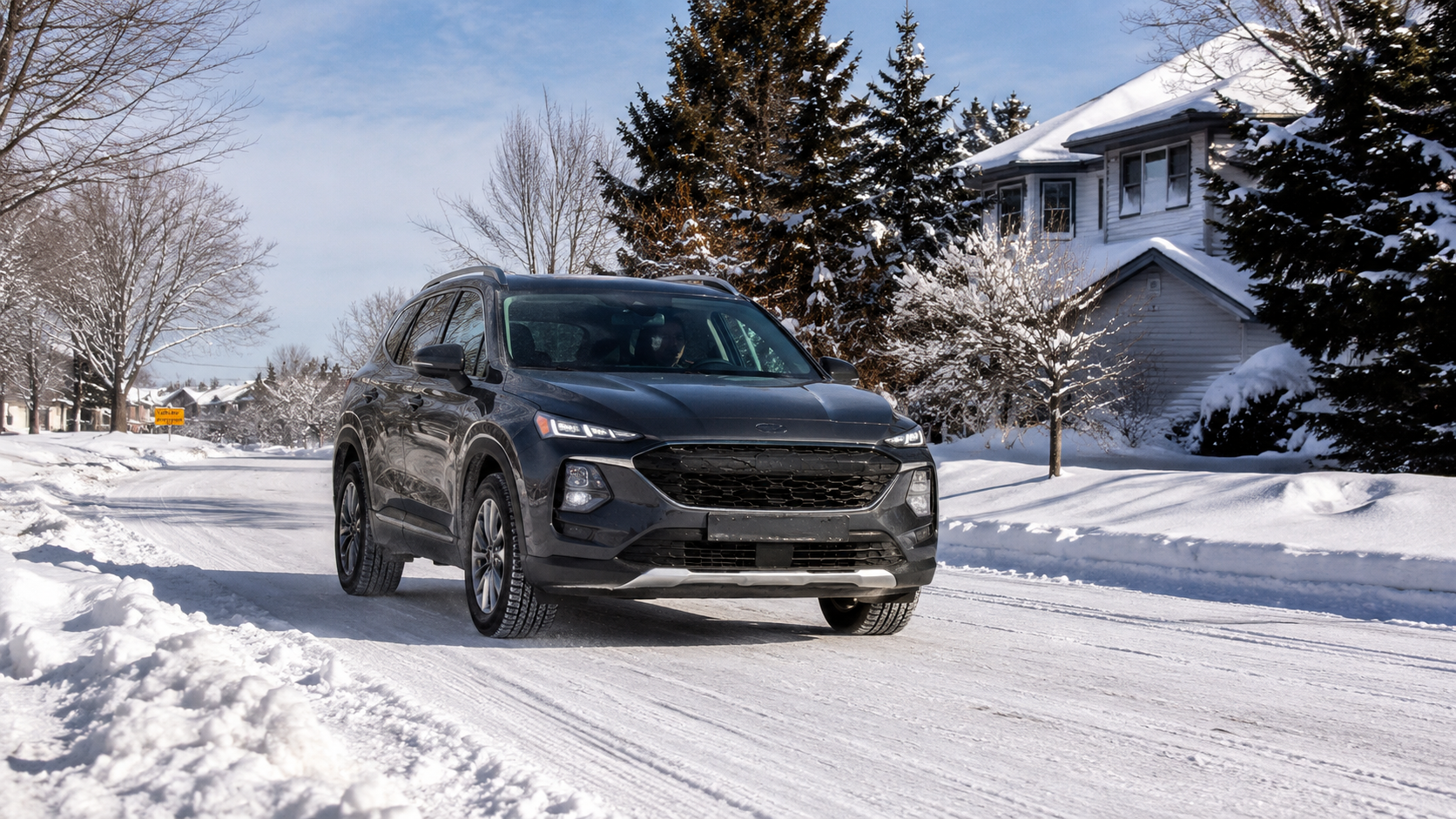
All-wheel drive sends power to both axles. In some cars, it works continuously. In others, the vehicle operates mainly as front-wheel drive or rear-wheel drive until the system detects slip, then sends power to the other axle.
AWD is common in crossovers, SUVs, performance cars, electric vehicles, and some sedans. It is marketed as a confidence feature, and in the right conditions, that claim is fair. The car can often start more easily on snow, wet hills, loose surfaces, or uneven roads.
The key advantages are practical:
- Better low-grip starts.
- More launch traction.
- Extra winter confidence.
- Useful on hills.
- Good for mixed roads.
The phrase four-wheel drive, or 4WD, usually refers to tougher systems found in trucks and off-road SUVs. These systems may include low-range gearing, locking differentials, or settings designed for mud, rocks, deep snow, and more demanding terrain.
AWD and 4WD are not the same. AWD is usually designed for road use and changing weather. 4WD is often designed for heavier off-road work. Some vehicles blur the line, but the intended use remains important.
When people compare rear wheel drive vs all wheel drive, they often focus only on traction. That is understandable, but incomplete. All-wheel drive helps the vehicle accelerate on slippery surfaces, yet it does not magically shorten braking distance on ice.
The tires still determine how well the car stops and turns. A front-wheel-drive car with good winter tires can be safer in snow than an all-wheel-drive car with worn all-season tires. This is one of the most important points for real-world safety.
AWD also costs more. The system adds parts, weight, and potential repair expense. It can reduce fuel economy in gasoline vehicles and may reduce efficiency in electric vehicles, depending on the design.
The hidden costs include:
- Higher purchase price.
- More mechanical parts.
- Added vehicle weight.
- More tire sensitivity.
- Possible repair expense.
Some AWD systems require all four tires to have similar wear levels. Replacing only one tire may not be ideal on certain models. This is not always a problem, but buyers should know the maintenance rules before purchase.
All-wheel drive makes the most sense when the driver actually faces difficult conditions. Snowy regions, steep streets, muddy access roads, gravel driveways, mountain trips, and frequent bad weather can justify the extra cost.
AWD is useful for these situations:
- Snowy neighborhoods.
- Steep driveways.
- Mountain roads.
- Wet rural routes.
- Mixed road surfaces.
If you rarely leave clean pavement, AWD may be more than you need. It can feel reassuring, but the added cost should bring real value. Paying for capability that you almost never use is not always the smartest decision.
Quick comparison by driving scenario
The easiest way to choose is to match the drivetrain to your daily environment. A person who drives mostly in a warm city needs a different answer than someone living in a snowy suburb with steep streets.
A simple guide can help:
- City use: FWD.
- Dry highways: RWD.
- Heavy winter: AWD.
- Lower costs: FWD.
- Sporty feel: RWD.
- Mixed roads: AWD.
This does not mean every city driver needs FWD or every winter driver needs AWD. It means these layouts tend to match those conditions more naturally. The final choice should still include tires, budget, car size, and driver experience.
Driving need | Best general fit | Main reason |
City commuting | FWD | Simple and efficient |
Budget ownership | FWD | Lower overall cost |
Dry-road handling | RWD | Better balance |
Performance driving | RWD | Cleaner steering feel |
Snowy conditions | AWD | Better takeoff traction |
Rural access roads | AWD | More grip available |
Serious off-road use | 4WD | Built for terrain |
This table is a starting point. It cannot replace a test drive. The same model can feel different with different engines, tires, suspension tuning, weight distribution, and electronic systems.
A good choice is rarely based on drivetrain alone. A refined FWD car may feel safer and better controlled than a poorly tuned AWD car. A well-balanced RWD sedan may be more stable on the highway than a tall, heavy crossover.
That is why buyers should compare configurations, not just model names. The badge on the trunk tells only part of the story. The way the vehicle behaves under braking, acceleration, cornering, and bad weather matters much more.
Common mistakes when choosing a drivetrain
The first mistake is buying all-wheel drive “just in case.” It sounds logical. You may need it someday, so it feels safer to have it. But that choice can add cost every day while providing benefits only a few times a year.
The second mistake is ignoring climate. A car that works perfectly in a dry region may feel stressful in a place with long winters. A driver in a flat city has different needs from someone who climbs icy streets every morning.
The most common errors are simple:
- Buying unused capability.
- Ignoring tire quality.
- Confusing AWD and 4WD.
- Skipping maintenance costs.
- Avoiding test drives.
Another mistake is overestimating driving skill. Rear-wheel drive can be excellent, but it asks more from the driver in low-grip conditions. All-wheel drive can help with traction, but it can also create too much confidence if the driver forgets about braking distance.
Price is another trap. A cheaper vehicle may become expensive if repairs, tires, fuel, or insurance cost more than expected. A more expensive version may be worth it if it solves a real problem every winter.
Some buyers also rely too much on brand reputation. One automaker’s AWD system may behave differently from another’s. Some systems are tuned for efficiency, while others are tuned for performance or off-road grip.
The better approach is to ask specific questions:
- How does it start?
- How does it turn?
- How does it brake?
- What do tires cost?
- What can fail?
A drivetrain is only one part of a vehicle. Suspension geometry, stability control, tire size, ground clearance, curb weight, and brake quality all influence the final driving experience.
How to choose step by step
Start with real routes. Write down where the car will spend most of its time. The answer should be based on normal weeks, not rare trips that happen once or twice a year.
Look at your main patterns:
- Work commute.
- School runs.
- Highway trips.
- Winter streets.
- Rural access.
- Parking conditions.
Then evaluate the climate. If winter is mild and roads are cleared quickly, FWD may be enough. If snow is frequent, roads are steep, and parking areas are poorly maintained, AWD becomes more attractive.
Driving style matters too. Calm drivers usually benefit from predictable, affordable setups. Enthusiastic drivers may appreciate RWD. Drivers who want extra traction for mixed conditions may prefer AWD.
Budget should include more than the purchase price. Consider fuel or energy consumption, tires, service intervals, possible repairs, insurance, and resale value. A drivetrain that looks affordable at purchase can become less attractive over several years.
Use this short process:
- Define daily routes.
- Check winter severity.
- Count annual mileage.
- Compare service costs.
- Inspect tire prices.
- Take test drives.
During the test drive, pay attention to ordinary moments. How does the car leave a parking spot? How does it accelerate onto a main road? How does the steering feel? Does it feel calm or nervous at highway speed?
Try to test similar vehicles on the same day if possible. Differences become clearer when memory is fresh. A front-wheel-drive crossover and an all-wheel-drive version of the same model may feel close in dry weather but different in rain or snow.
When considering RWD vs FWD, ask what you value more in daily use. If low cost, simplicity, and space matter most, FWD is usually stronger. If handling balance and driving feel matter more, RWD may be worth considering.
The goal is not to choose the drivetrain that sounds best. The goal is to choose the one that supports your normal life with the fewest compromises.
How drivetrain changes the same car
Two cars with the same name can feel different if the drivetrain is different. An FWD version may be lighter, cheaper, and more efficient. An AWD version may feel more planted during acceleration but cost more to buy and maintain.
A rear-wheel-drive version can change the character even more. The steering may feel cleaner. The car may rotate more naturally through corners. The driver may feel more connected to throttle input.
The main differences often appear here:
- Acceleration feel.
- Steering response.
- Fuel economy.
- Winter behavior.
- Tire wear.
- Service cost.
This is why shoppers should avoid judging a vehicle by the model name alone. A sedan, crossover, or SUV can behave differently depending on engine output, drivetrain, suspension tuning, and tires.
Electric vehicles make the issue even more interesting. Some EVs use one motor for the rear axle, while AWD versions add another motor for the front. That can increase power and traction, but it may also change weight, range, price, and tire wear.
For gasoline vehicles, AWD may add mechanical complexity through driveshafts, differentials, clutches, or transfer units. For EVs, the setup can be mechanically simpler in some ways, but it still affects cost, efficiency, and performance.
A buyer should compare full configurations:
- Engine or motor.
- Transmission type.
- Tire size.
- Vehicle weight.
- Ground clearance.
- Warranty coverage.
The best version is the one that fits the owner’s routes. If most driving is calm and urban, the lighter FWD model may feel better overall. If winter traction is a weekly issue, AWD may justify the added expense.
Tires, maintenance, and driver behavior matter more than many buyers think
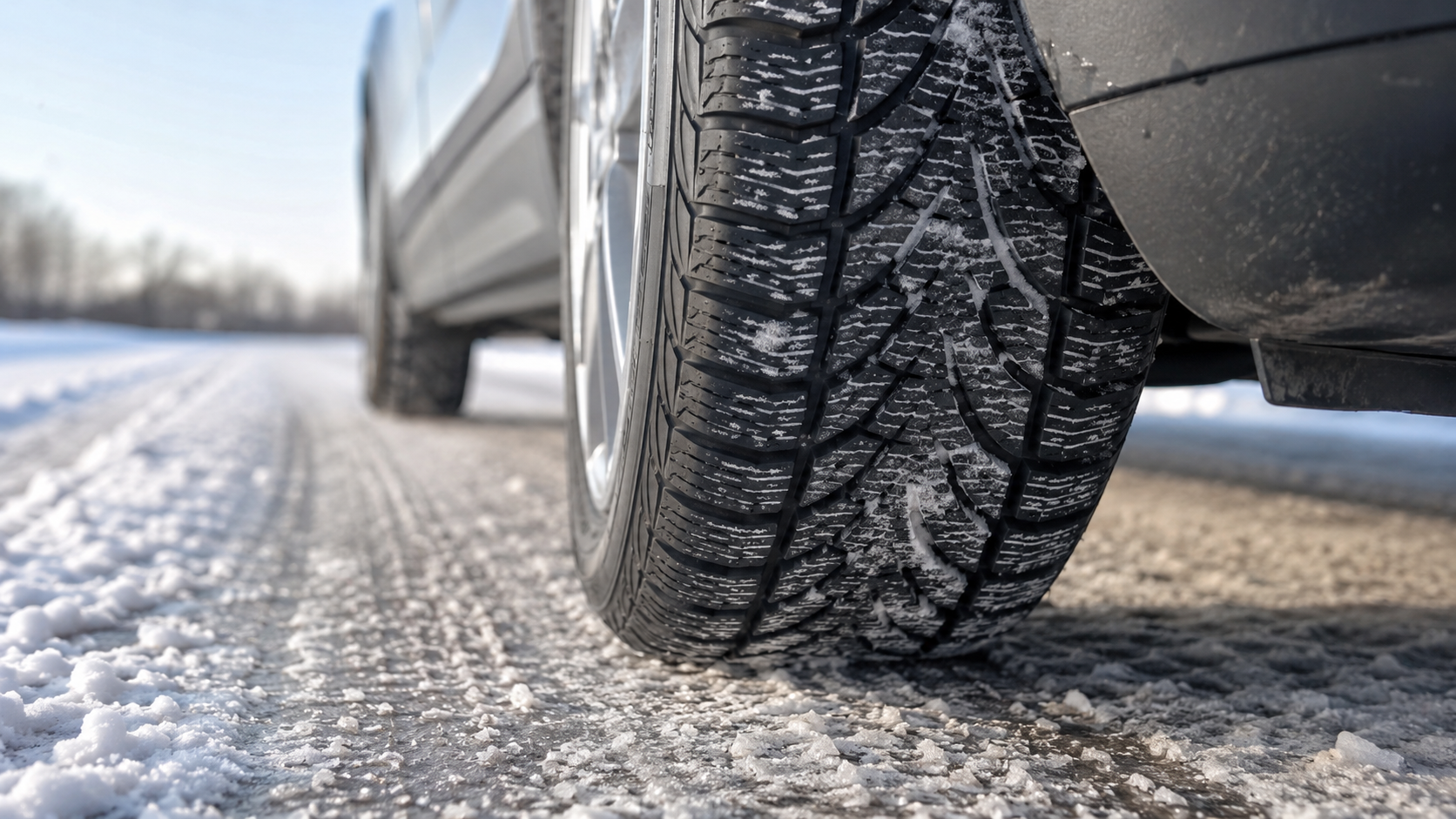
The drivetrain can only work through the tires. If the tires cannot grip the road, no system can fully solve the problem. This is especially true in winter, heavy rain, and emergency braking.
Good tires improve starting, turning, and stopping. Worn tires reduce safety even if the car has advanced traction control. A proper winter tire on a simple drivetrain can outperform a poor tire on a more expensive drivetrain.
Before choosing or judging a car, check the basics:
- Tire condition.
- Tread depth.
- Tire age.
- Correct pressure.
- Brake condition.
- Suspension wear.
Maintenance also matters. AWD and 4WD systems may need more attention than simpler layouts. Fluids, joints, differentials, electronic controls, and tire matching can all affect long-term reliability.
Driver behavior is just as important. Smooth acceleration, early braking, and calm steering inputs give the car more grip to work with. Aggressive driving can overwhelm even a capable system.
A common winter mistake is assuming AWD helps everywhere. It helps a car move. It does not make the car stop sooner on ice. It does not allow high cornering speeds on snow. It does not replace judgment.
The safest approach is layered. Choose a suitable drivetrain, install proper tires, keep the vehicle maintained, and drive according to conditions. None of these steps replaces the others.
Final decision: choose what fits your real driving
A sensible drivetrain choice begins with honesty. If your roads are clean, your climate is moderate, and your priority is low cost, front-wheel drive is often enough. It is efficient, predictable, and practical.
If you enjoy handling and spend most of your time on dry or well-maintained roads, rear-wheel drive can be more rewarding. It offers a balanced feel that many drivers prefer, especially in performance-oriented cars.
If your life includes snow, steep streets, unpaved access roads, frequent rain, or changing surfaces, all-wheel drive may be worth the extra cost. The comparison of rear wheel drive vs all wheel drive is really a comparison between driving feel and traction support.
There is still no perfect answer for everyone. FWD is usually the most practical. RWD is often the most engaging. AWD is usually the most reassuring in poor conditions, as long as the driver understands its limits.
Before buying, compare real vehicles in real configurations. Look at tire costs, fuel or energy use, service requirements, warranty coverage, ground clearance, and how the car feels during a test drive.
Use this final checklist:
- Match your climate.
- Check your roads.
- Count ownership costs.
- Compare configurations.
- Test before buying.
In the end, AWD vs FWD vs RWD should not be treated as a slogan or a forum argument. The right choice is the drivetrain that fits your routes, your weather, your budget, and your driving style. Choose the system that solves your actual problems, and the car will feel better every day.

